School Health Awareness Programs
Empowering students with foundational health knowledge through age-appropriate, interactive, and customized classroom sessions.
Methodology & Impact
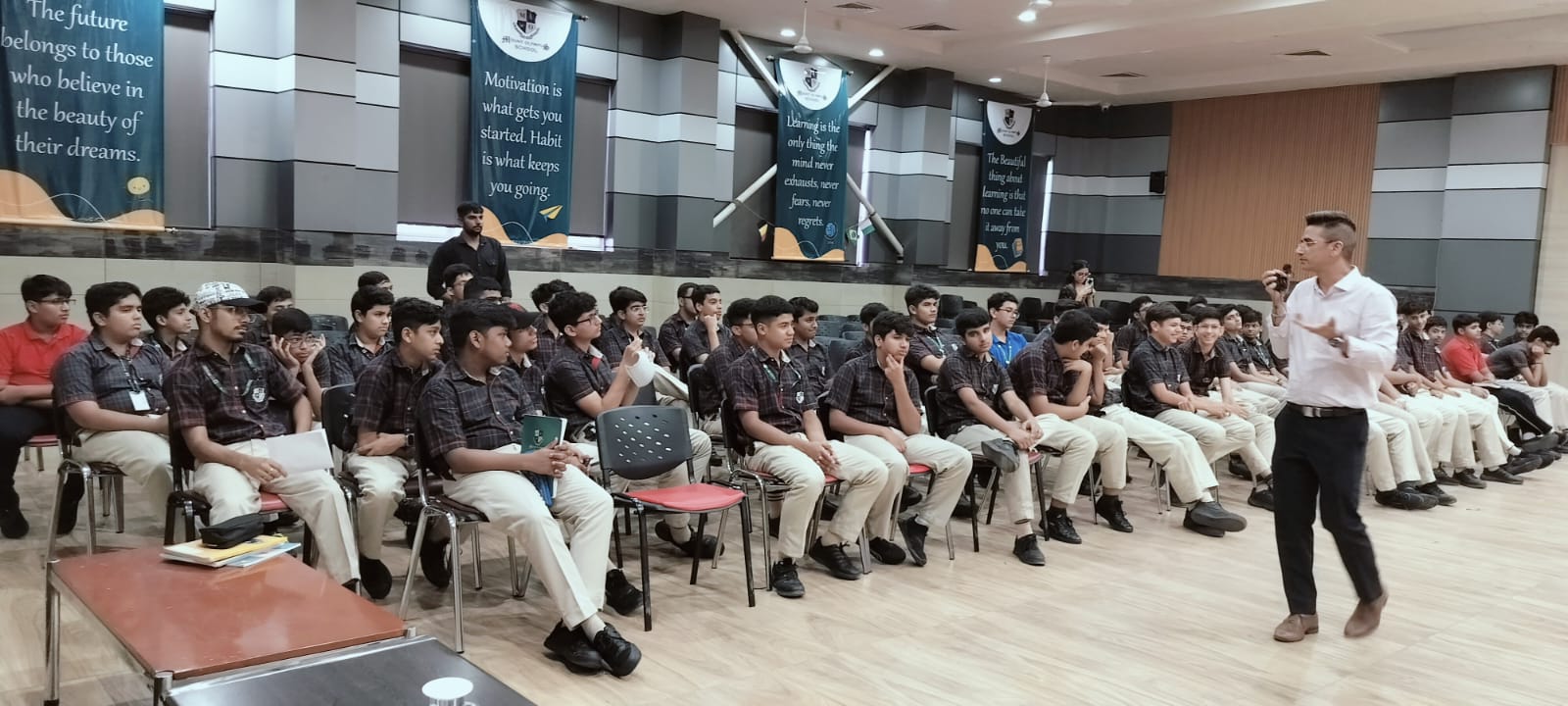
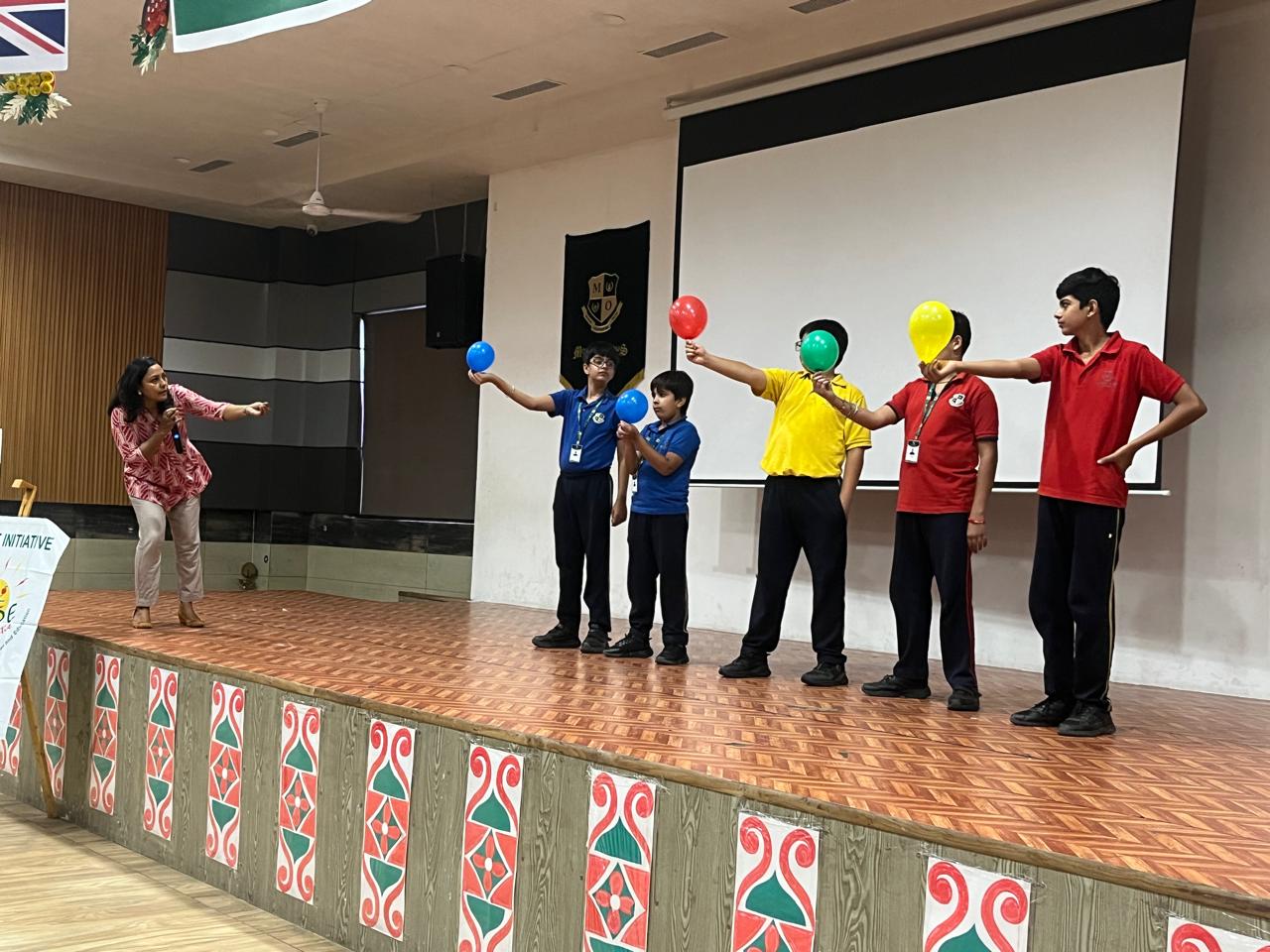
Focusing on improving students' Knowledge, Attitude, and Practices (KAP) through interactive, age-appropriate classroom workshops and creative group activities:
-
KAP Focus: Improving Knowledge, Attitude, and Practices related to student well-being, healthy habits, and disease prevention.
-
Custom Curriculum: Tailored content for primary, middle, and senior school students to match their unique cognitive development and comprehension levels.
-
School-to-Community: Students share key health learnings with their families and neighborhoods, multiplying the project's overall outreach.
11 Core Health Topics
Comprehensive modules conducted by health professionals inside classrooms, structured into three core pillars:
Physical Well-being
Hygiene & Sanitation • Nutrition & Lifestyle • Vector-Borne Diseases
Mental & Social Growth
Exam Stress Management • Adolescent Well-being • Bullying & Ragging • Screen & Mental Health
Safety & Responsibility
Safe & Unsafe Touch • Road Safety Awareness • Environmental Change • Substance Abuse
Hygiene & Sanitation
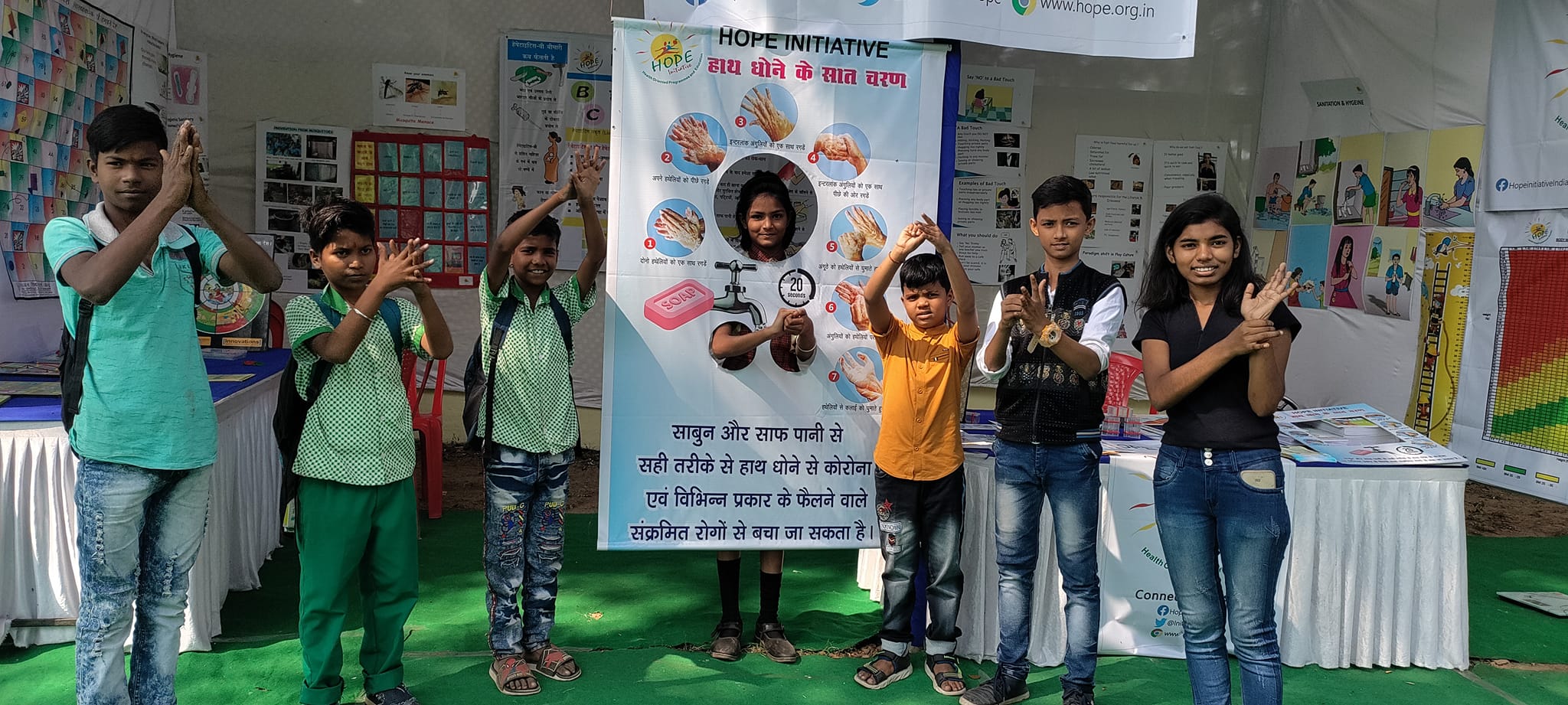
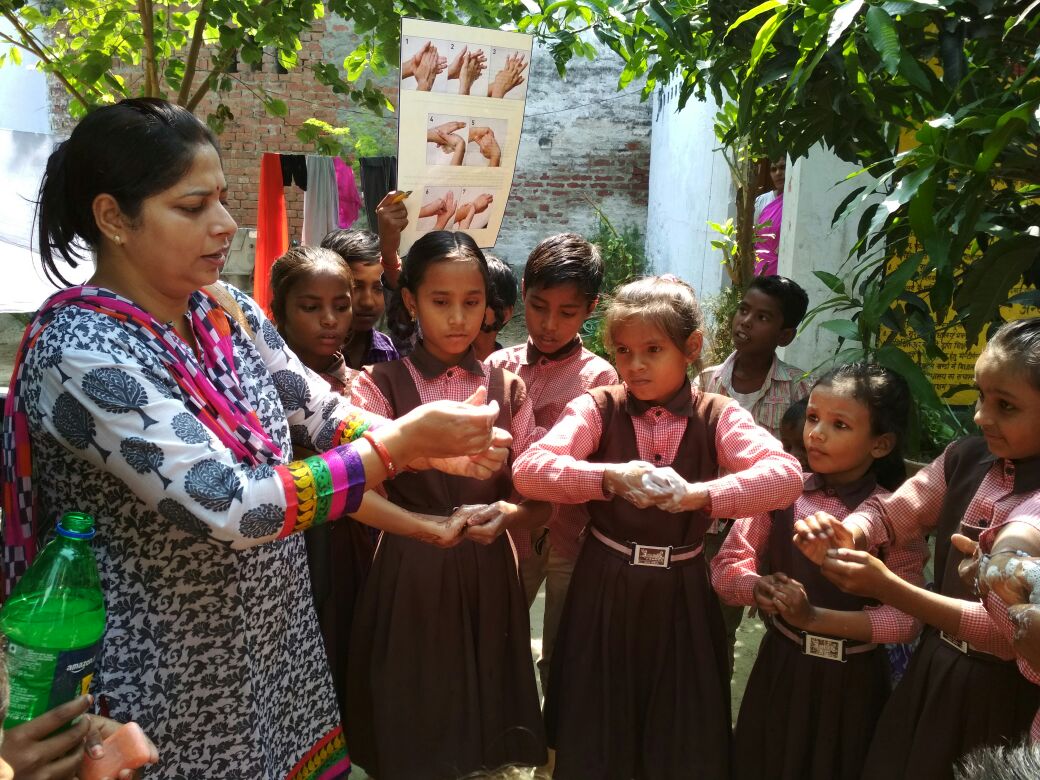
Objectives, Activities & Impact: Promoting healthy hygiene and sanitation habits among students to prevent communicable diseases. Activities include demonstrations of correct handwashing techniques and discussions on toilet hygiene, nail care, and clean clothing practices. Behaviour-focused messaging encourages daily bathing, regular changing of undergarments, and consistent toilet use at home. The intervention results in near-universal adoption of soap-and-water handwashing, with 98–100% of participating students practicing correct hand hygiene.
Healthy Lifestyle & Nutrition
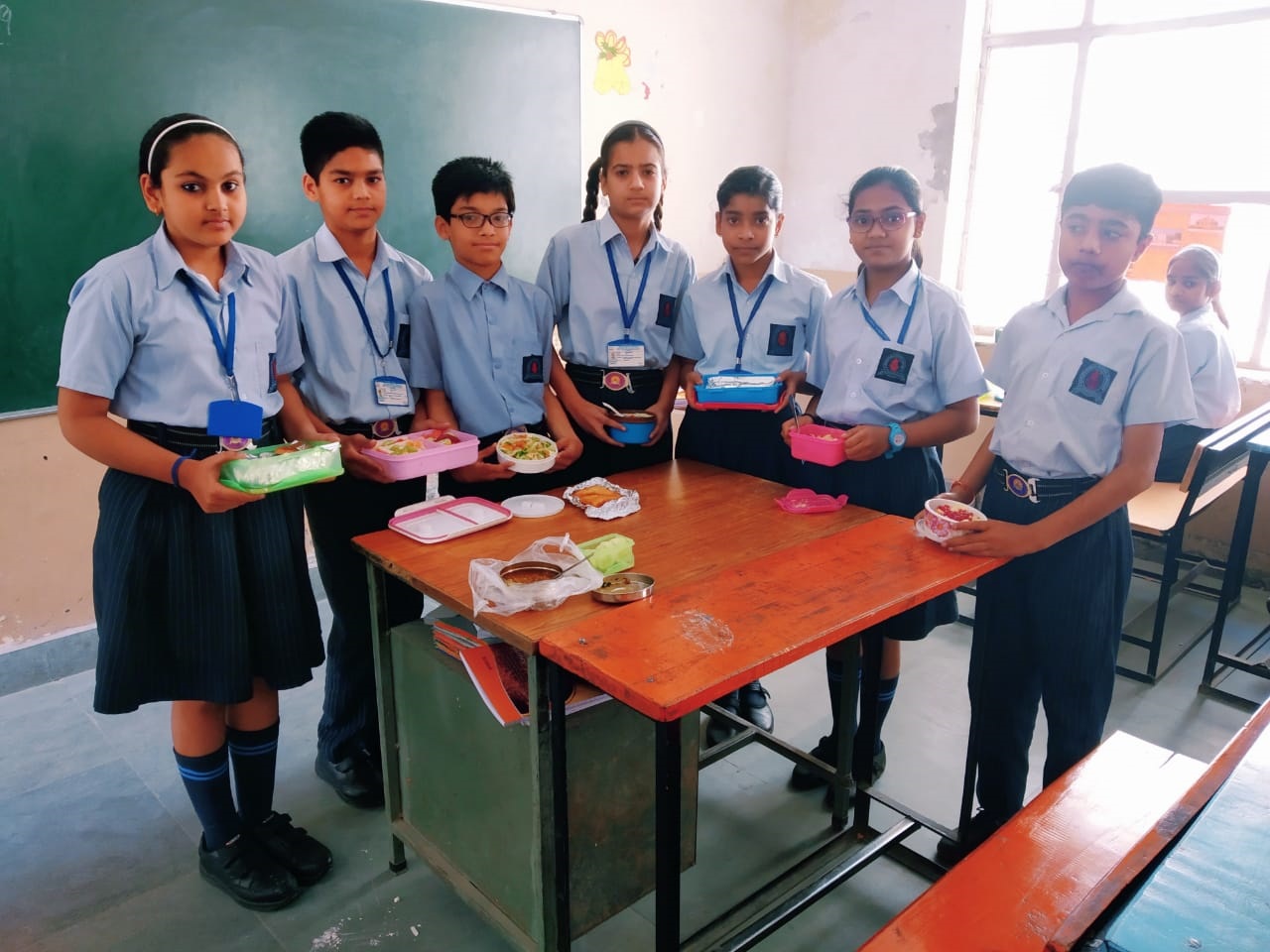
Objectives, Activities & Impact: Educating students about balanced diets, the importance of fruits and green vegetables, and the health risks associated with junk food consumption. Interactive discussions and relatable examples help students connect nutrition concepts to daily life.
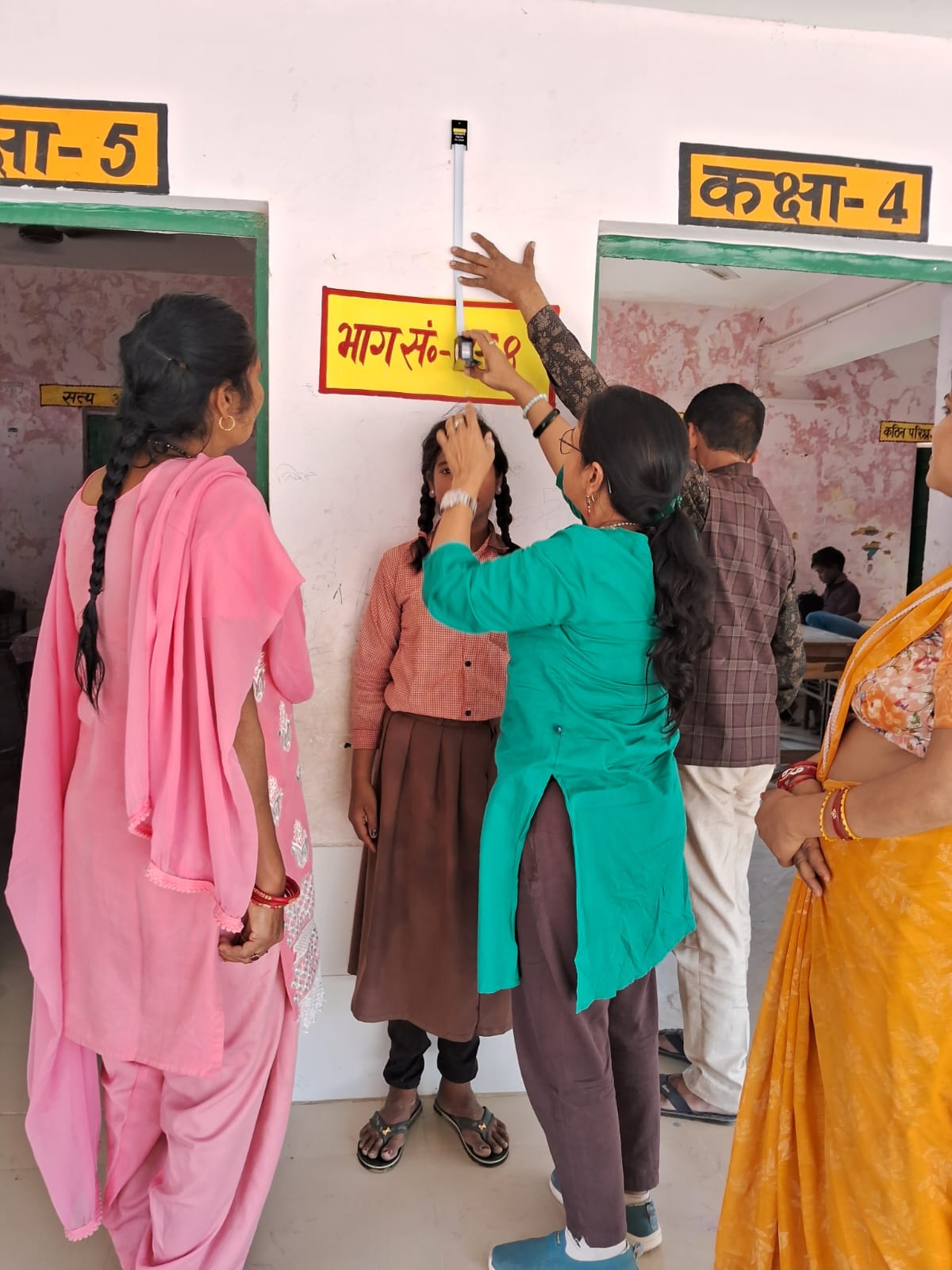
Mental Health & Screen Addiction
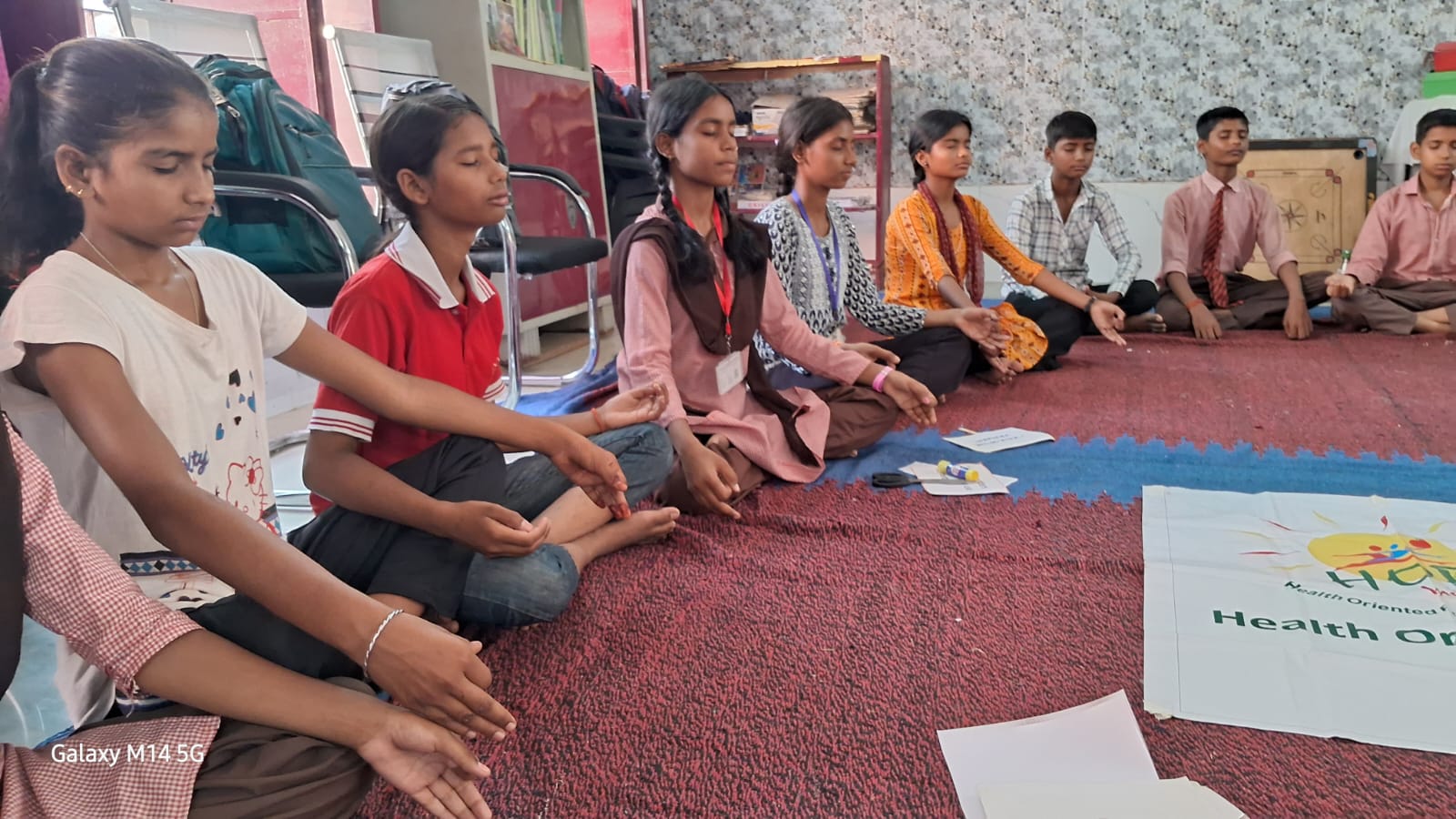
Objectives, Activities & Impact: Addresses emerging mental health challenges among students, with a special focus on screen addiction and healthy digital behaviour. Sessions encourage self-reflection on screen time, promote alternative physical and creative activities, and highlight the importance of emotional well-being. Students learn about the impact of excessive screen use on focus, sleep, academic performance, and mental health. Awareness increases significantly, while the session also identifies screen overuse as a continuing behavioural challenge, helping inform future targeted interventions.
Safe & Unsafe Touch Program
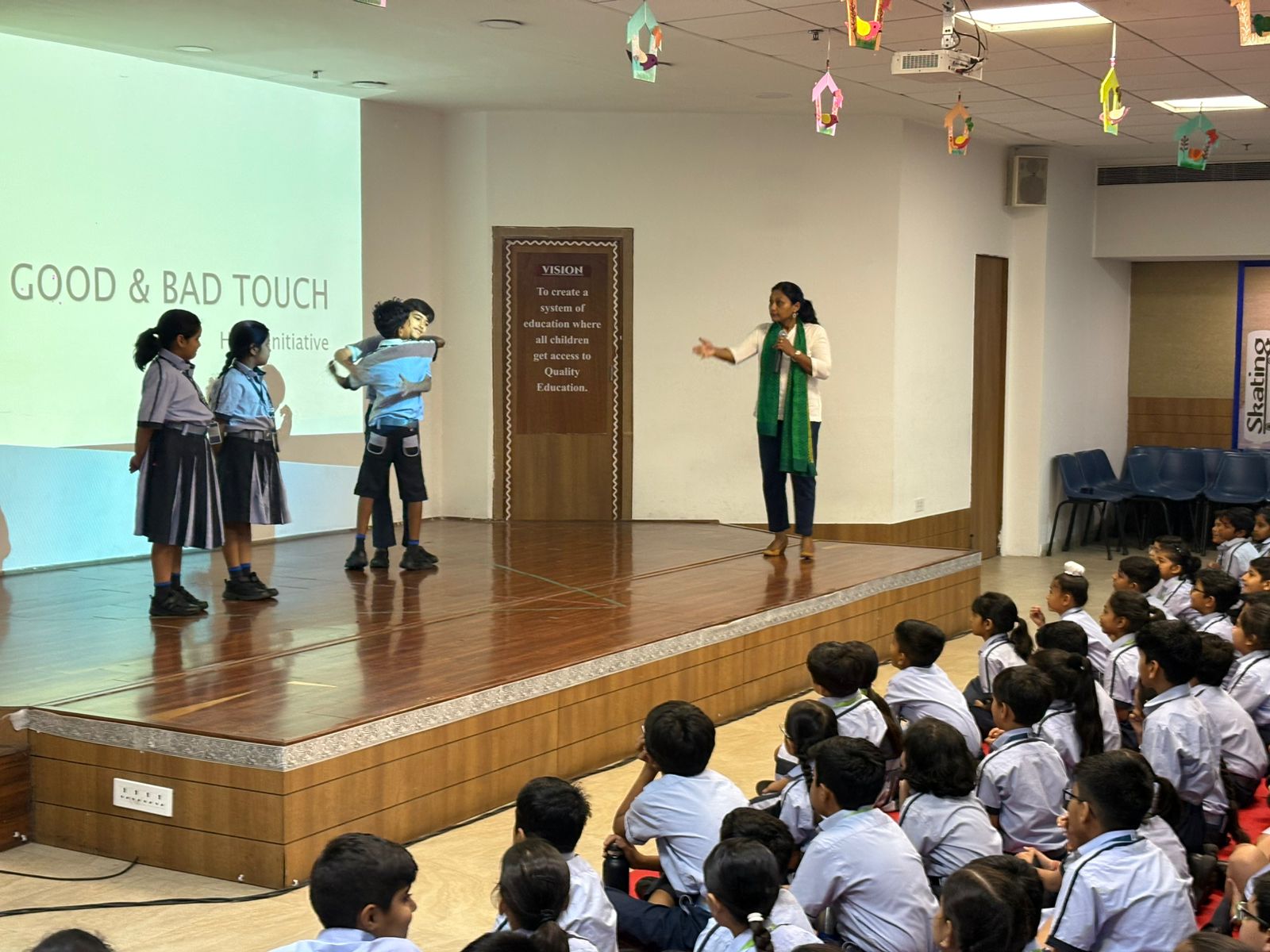
Objectives, Activities & Impact: Empowering children with knowledge about body safety, personal boundaries, and reporting mechanisms. Through age-appropriate discussions and activities, students learn to identify private body parts, recognize unsafe touch, and understand whom to approach for help. The objective is to build awareness, confidence, and safer school environments.
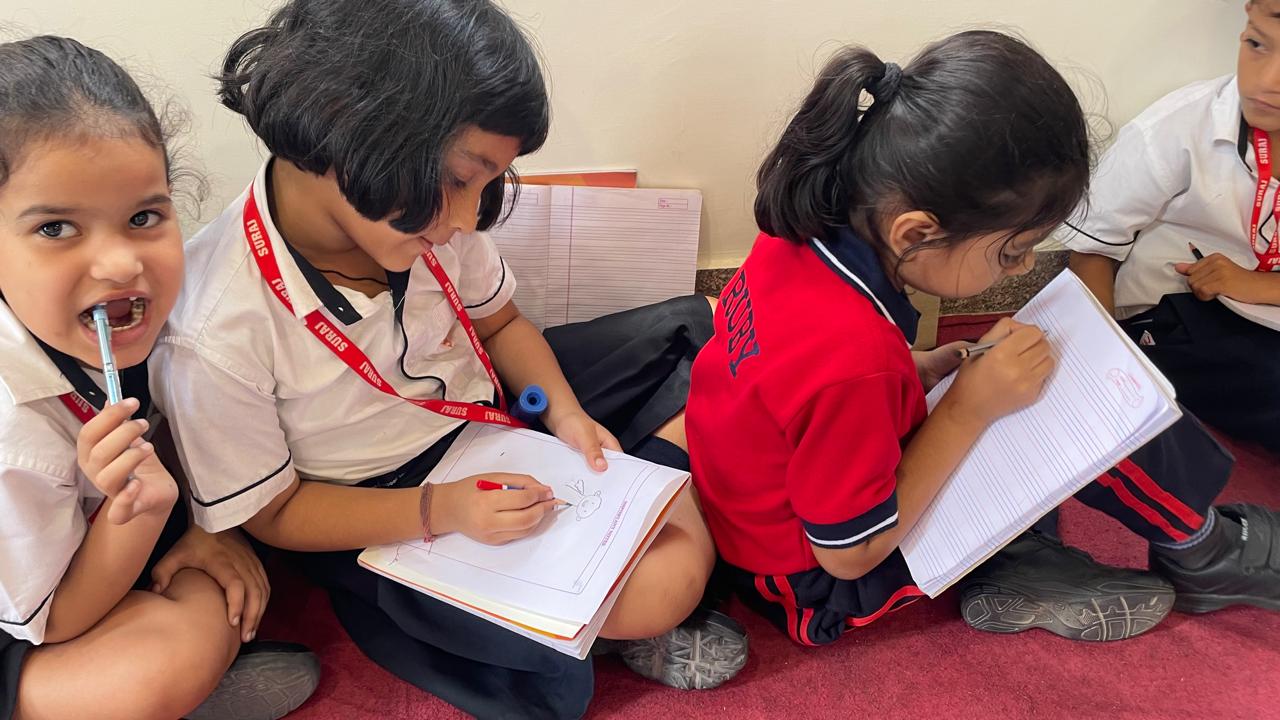
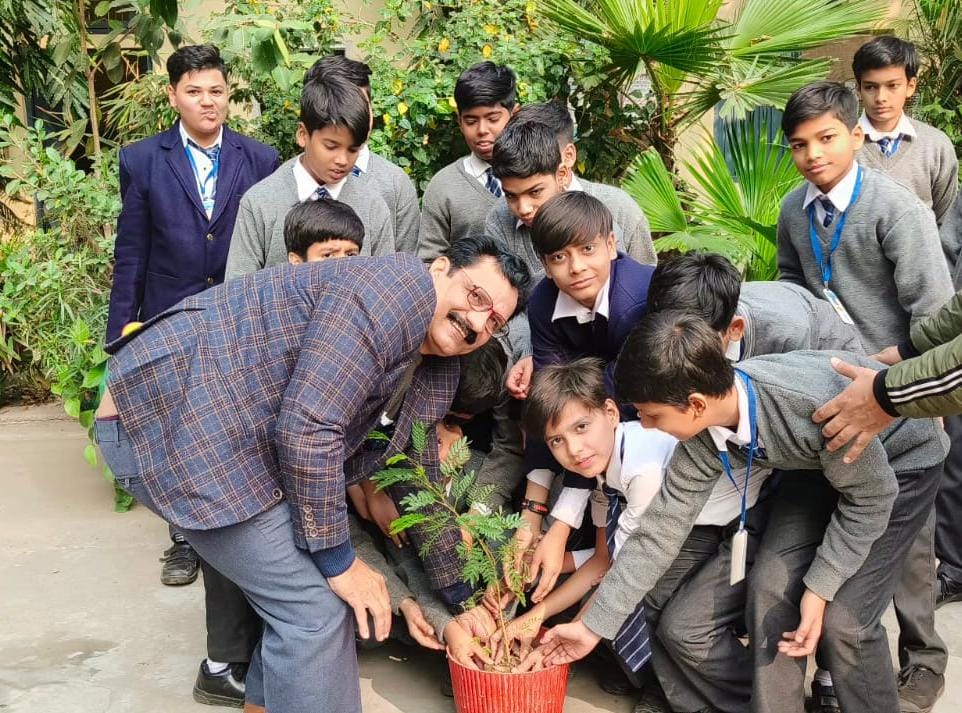
Global warming and environment change
Objectives, Activities & Impact: Promoting responsible behaviour toward nature and community health through environmental awareness activities. Sessions cover waste segregation, plastic pollution, climate change, and tree plantation drives. Students are encouraged to adopt sustainable practices at home and in school. A clear understanding of environmental concepts such as greenhouse gases and plastic reuse is being given.
Adolescent Health & Well-Being (Changes During Adolescence)
Objectives, Activities & Impact: This session helps normalize physical, emotional, and psychological changes during adolescence. It improves emotional awareness and strengthens students’ understanding of healthy coping strategies. The session reinforces the message that adolescence is a natural phase of growth, and with proper guidance, support, and healthy habits, students can navigate this stage confidently and safely.
Bullying & Ragging
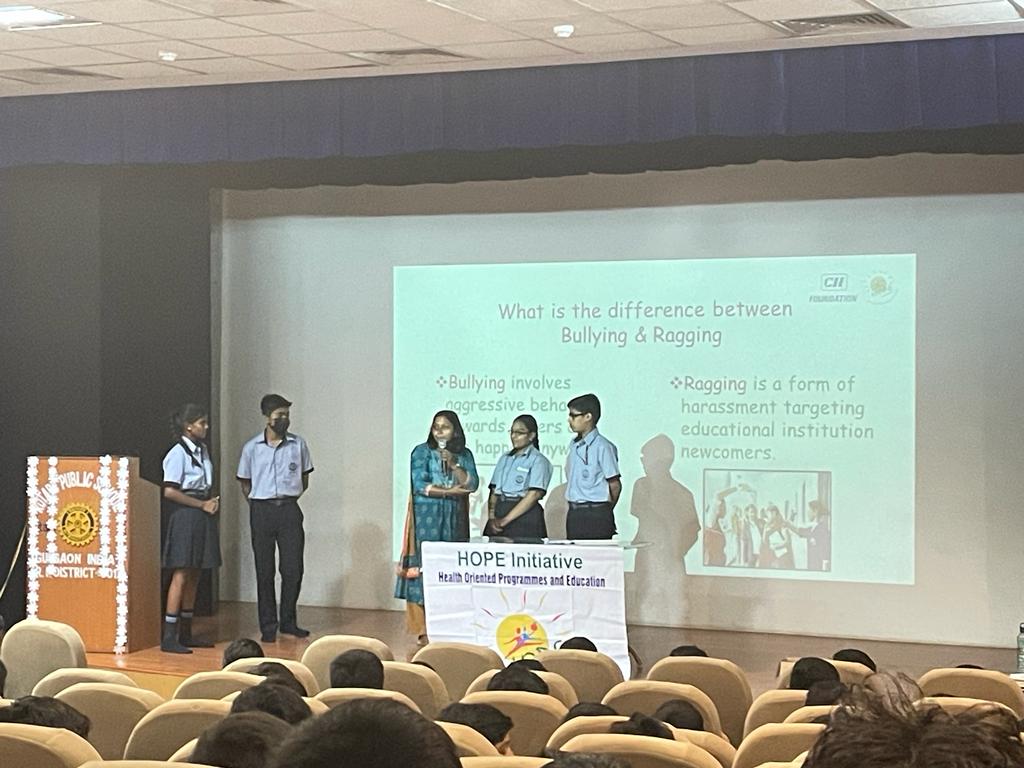
Objectives, Activities & Impact: Addressing concerns related to bullying and ragging in schools, including body shaming, name-calling, teasing, and social exclusion. The objective is to create safe, inclusive, and respectful school environments by fostering empathy, self-acceptance, and confidence among students. Through age-appropriate and interactive sessions, students explore the emotional impact of bullying on both victims and perpetrators. Activities encourage open dialogue, self-reflection, and discussions on healthy peer relationships, boundaries, and help-seeking behaviour. The sessions empower students to speak up, support peers, and approach trusted adults when needed.
Mosquito-Borne Disease Awareness
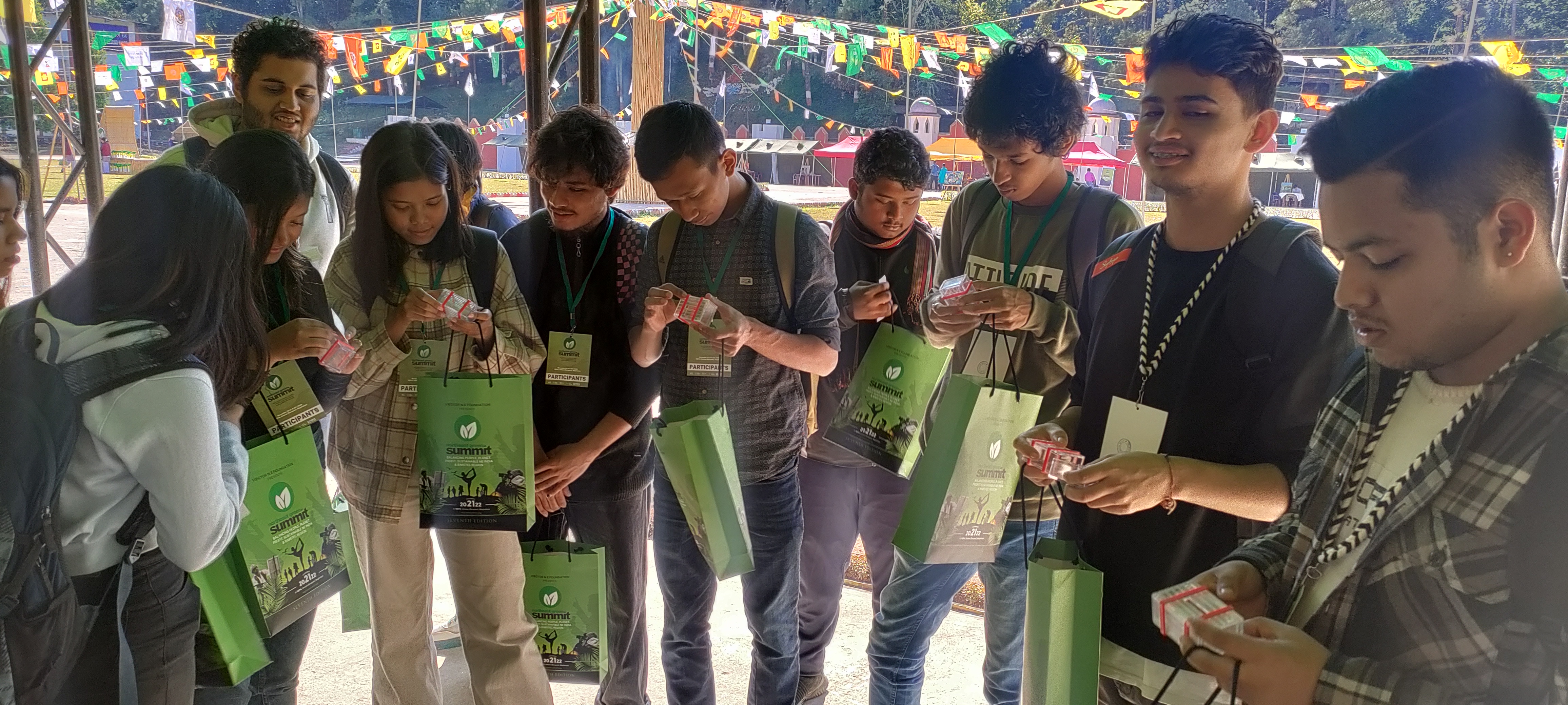
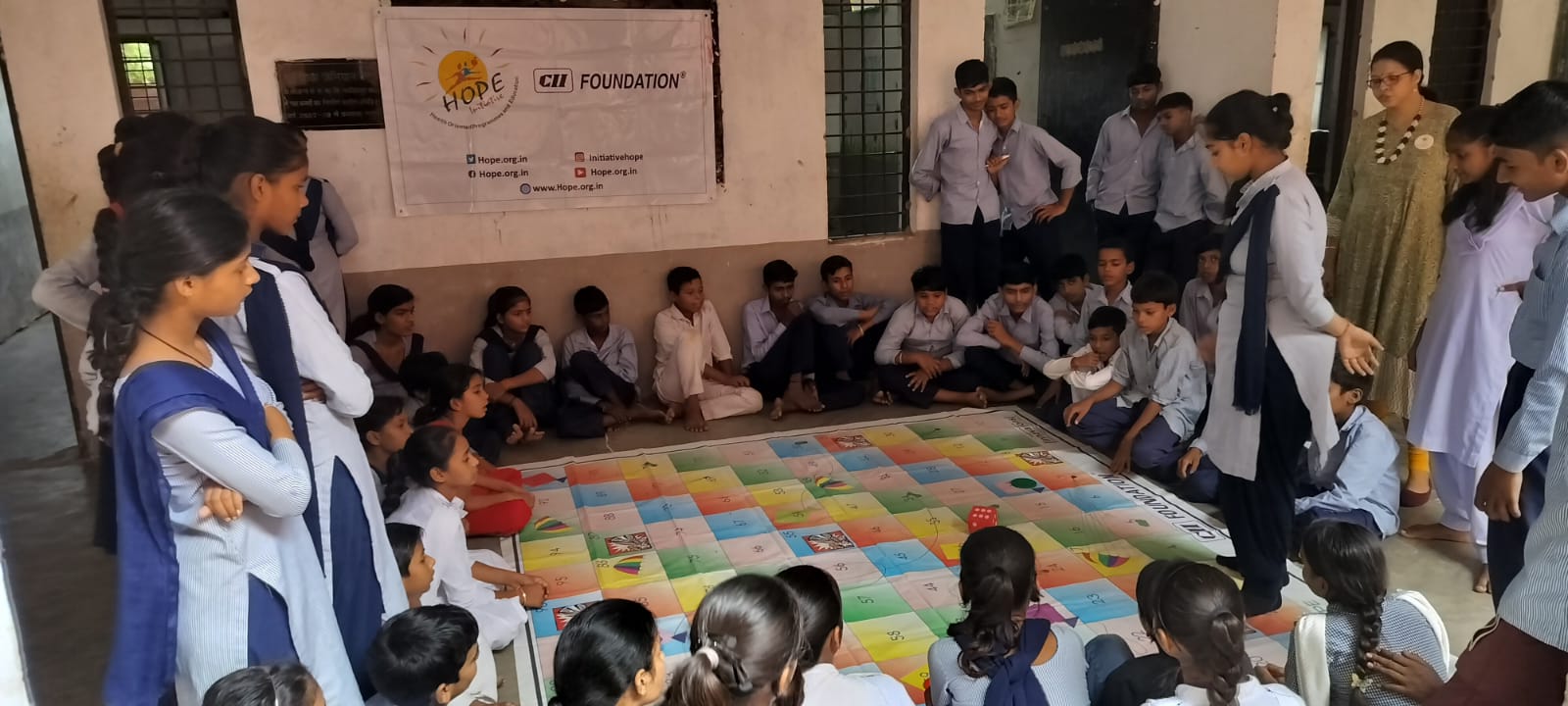
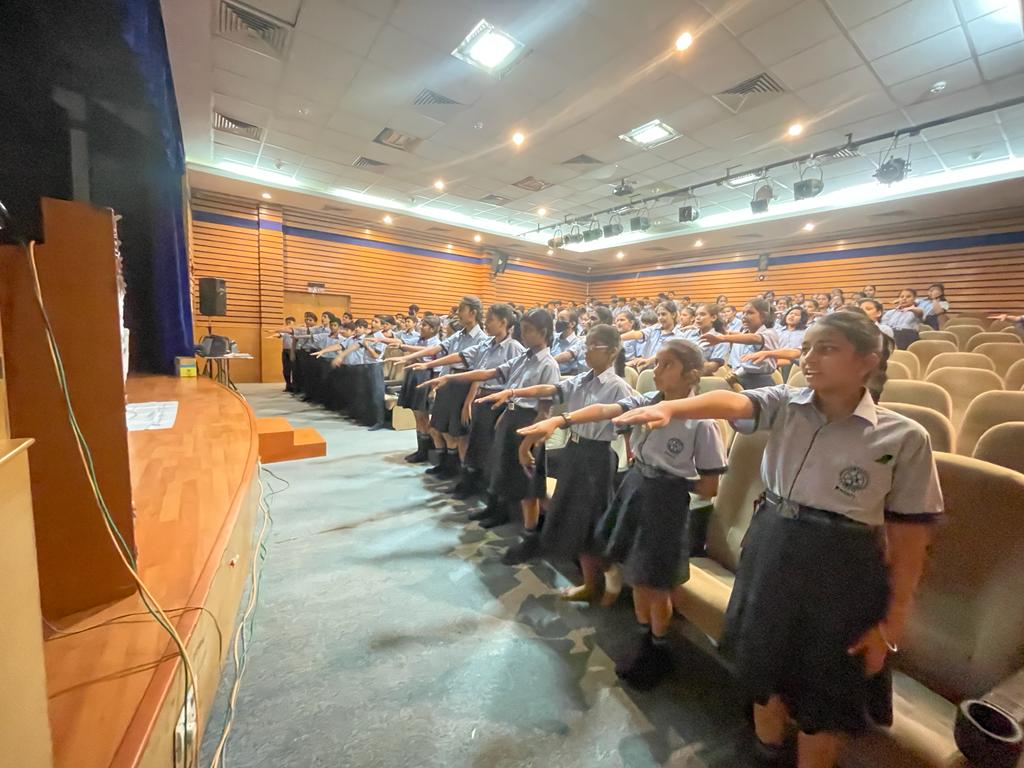
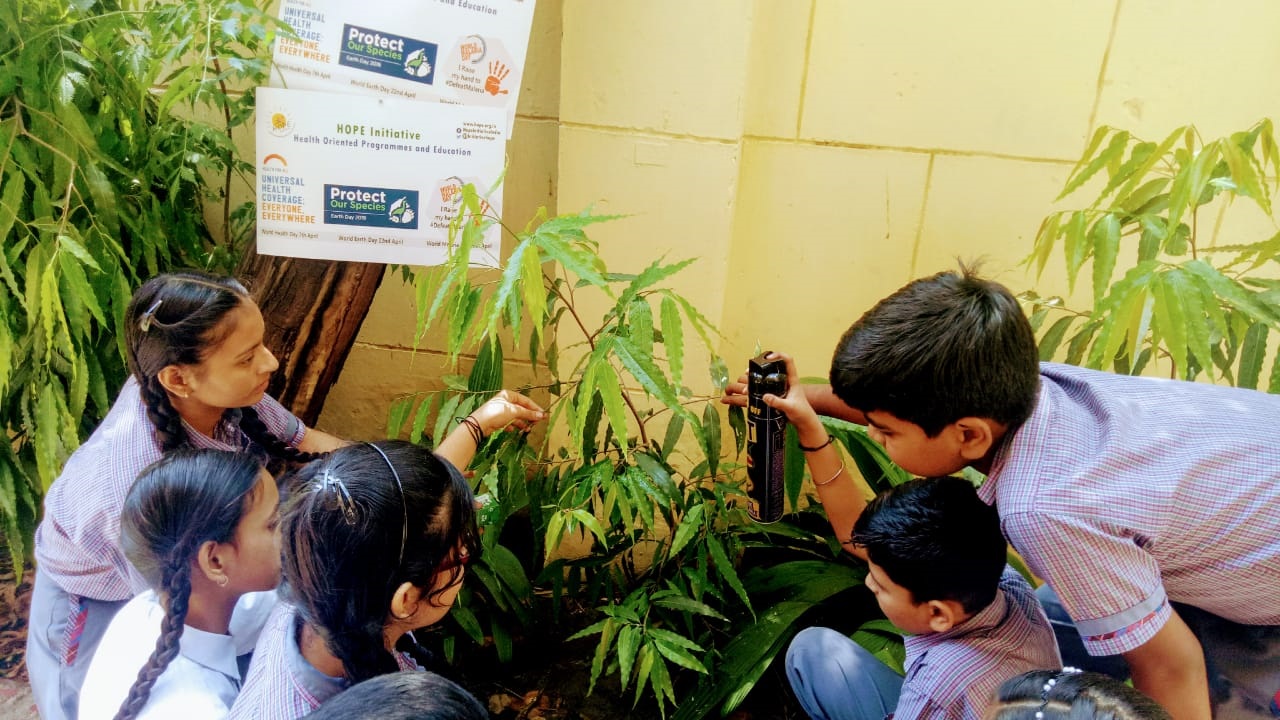
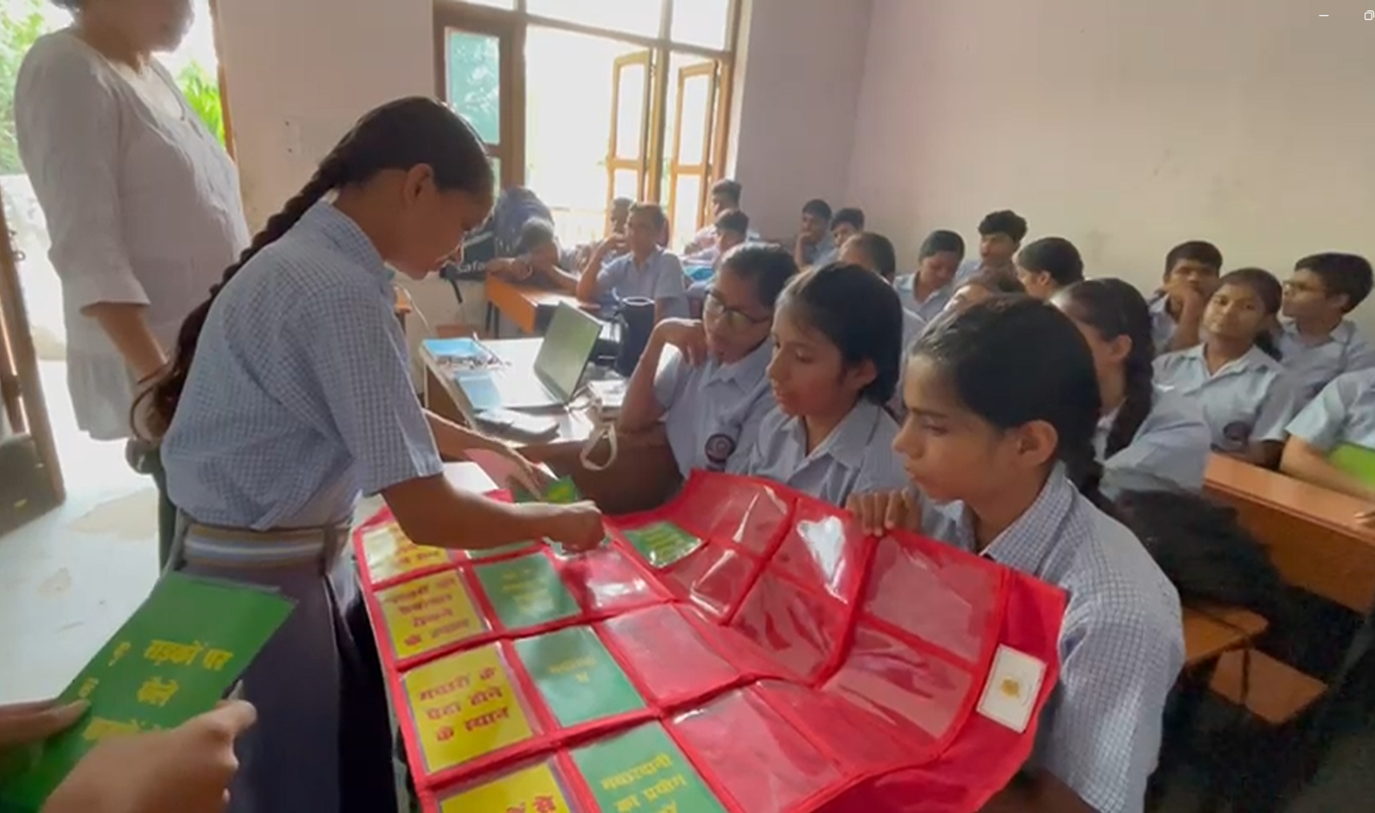
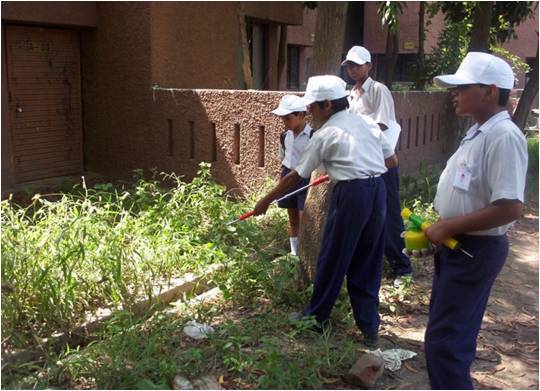
Objectives, Activities & Impact: Educating students about mosquito-borne diseases such as dengue, malaria, and chikungunya, with a strong focus on prevention and community responsibility. Sessions help participants understand disease transmission, the mosquito life cycle, common breeding sites, and early symptoms of infection. Through interactive discussions, practical demonstrations, and engaging tools such as pocket chart games, students learn preventive measures including eliminating stagnant water, using mosquito nets and repellents, wearing protective clothing, and maintaining clean surroundings.
Substance Abuse Awareness
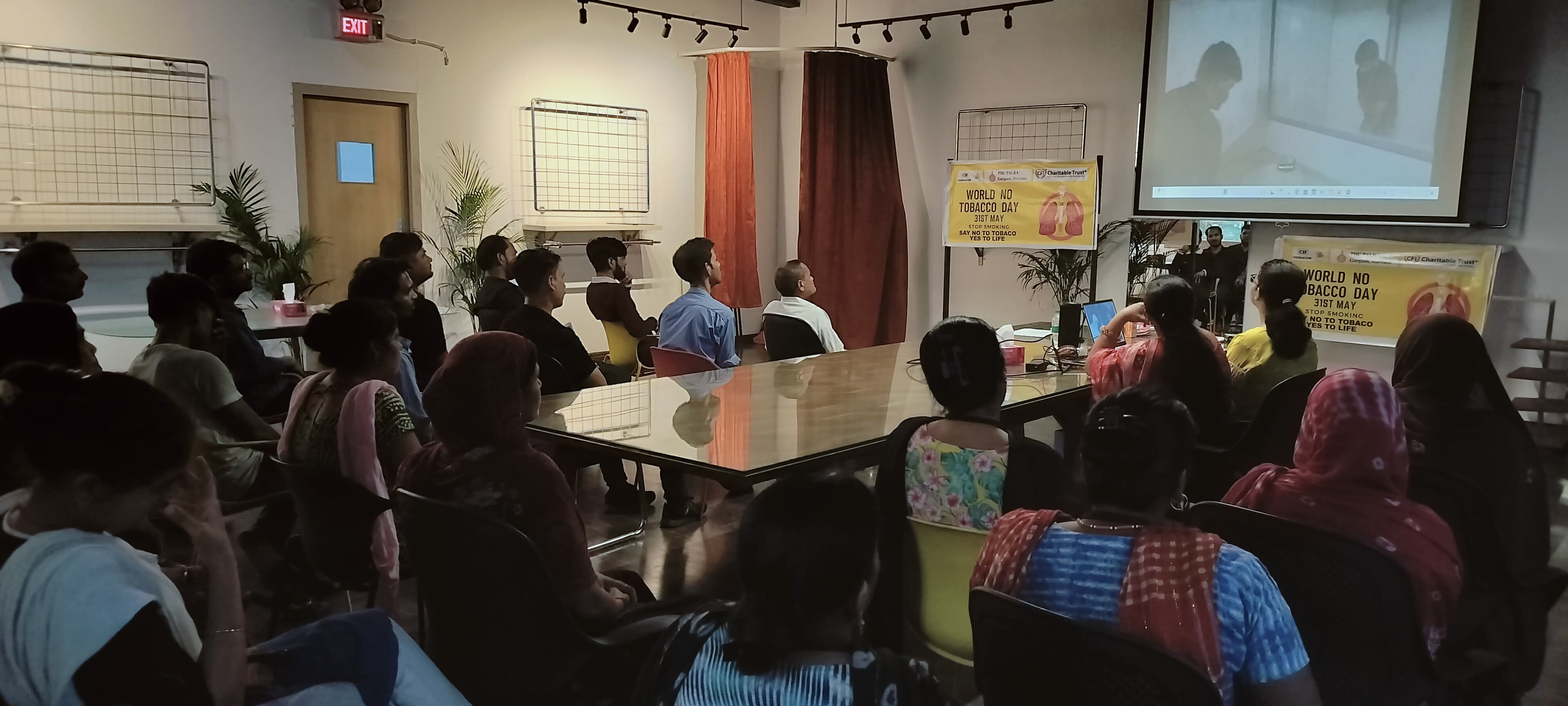
Objectives, Activities & Impact: Focusing on educating children, adolescents, and communities about the harmful effects of tobacco, alcohol, drugs, and inhalants. The objective is to prevent early initiation of substance use by strengthening awareness, life skills, and decision-making abilities. Using age-appropriate language, real-life examples, and interactive discussions, sessions explore the impact of substance use on physical health, mental well-being, relationships, academic performance, and future aspirations. Students learn to identify common triggers such as peer pressure, curiosity, and stress, and develop refusal skills and healthy coping strategies. The session emphasizes the importance of strong support systems and encourages participants to seek help from trusted adults in risky situations.
Road Safety
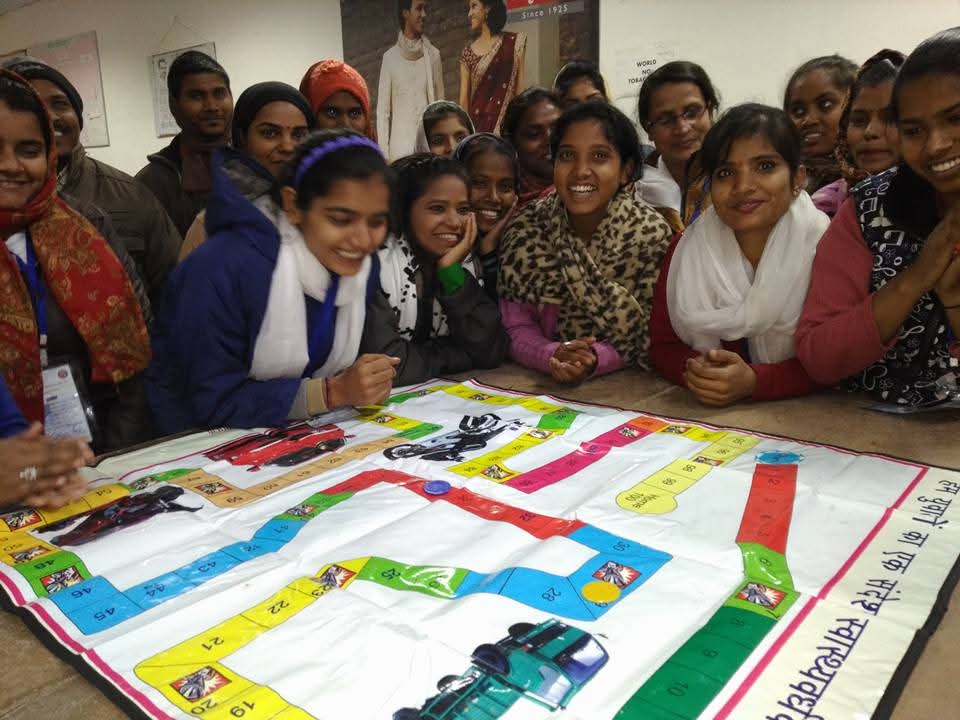
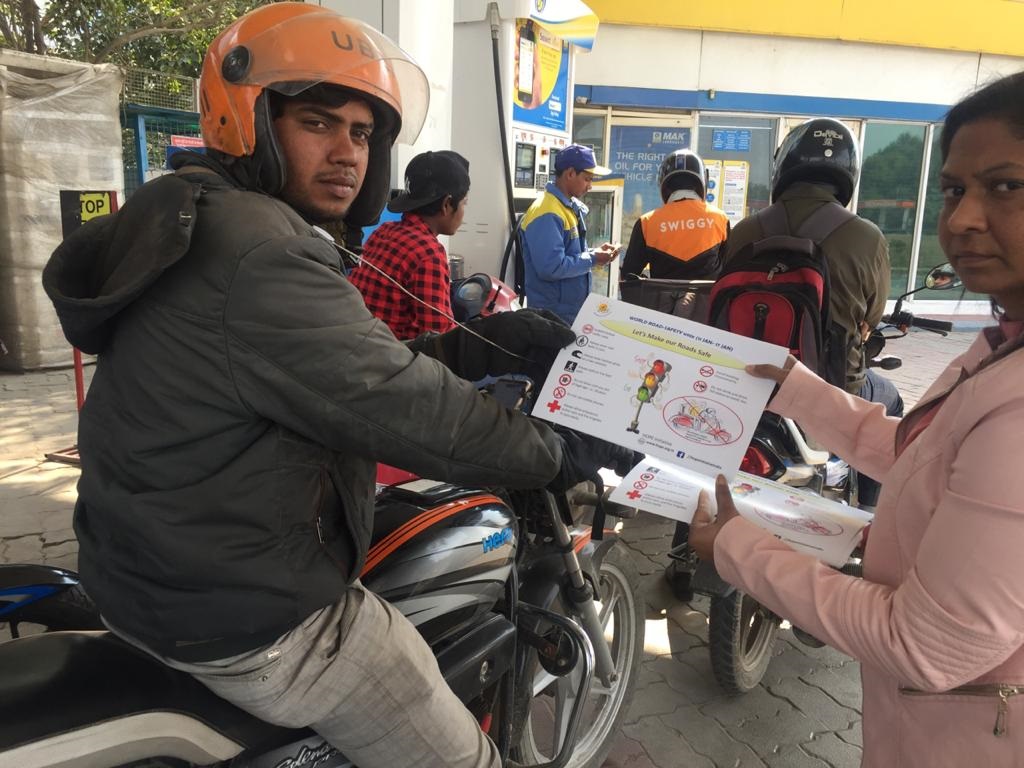
Objectives, Activities & Impact: The session focuses on helping students understand the importance of staying safe on roads as pedestrians, cyclists, and passengers. The objective of the session is to build awareness about what road safety is, familiarize students with basic traffic rules, and help them recognize and correctly interpret traffic signs.
Exam stress- how to cope and conquer it
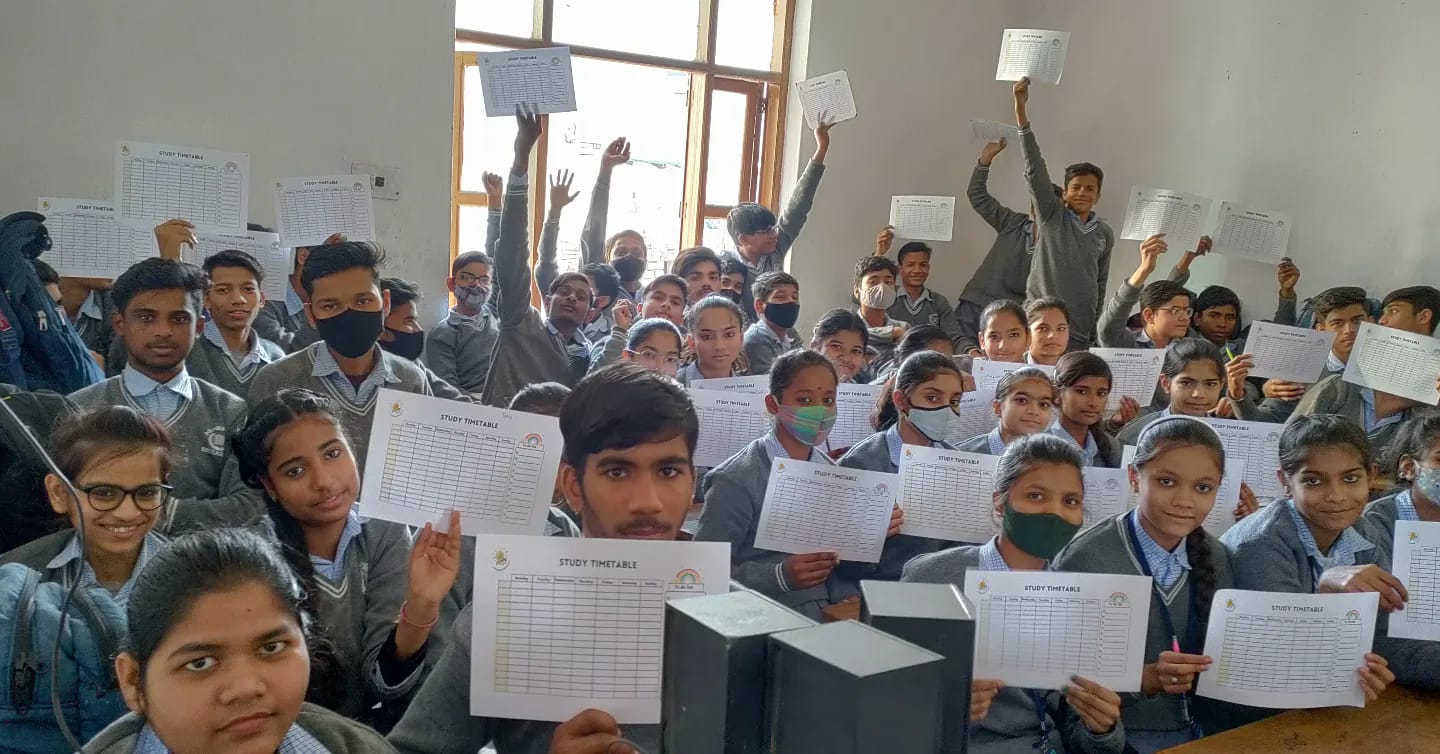
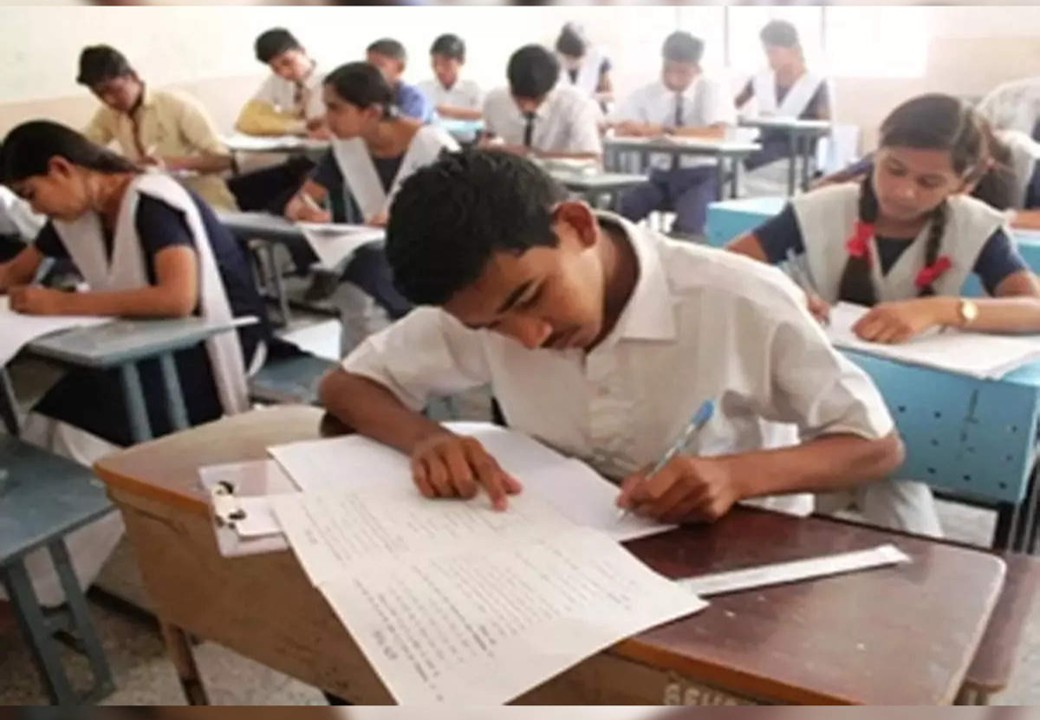
Objectives, Activities & Impact: This session equips students with practical tools to understand and manage exam-related stress in a healthy and productive manner. The objective is to help students recognize the causes of exam fear, identify stress-induced symptoms, develop a positive mindset, and build effective study habits. Students learn that while they may not control exam questions or results, they can control their preparation, attitude, effort, and time management.
Community Health Awareness
& Nursing Capacity
Building
HOPE Initiative drives positive health outcomes through localized community campaigns and intensive capacity building for the next generation of healthcare professionals.
Community Health Outreach
Empowering local populations through specialized awareness drives, preventive screenings, and vector control programs:
-
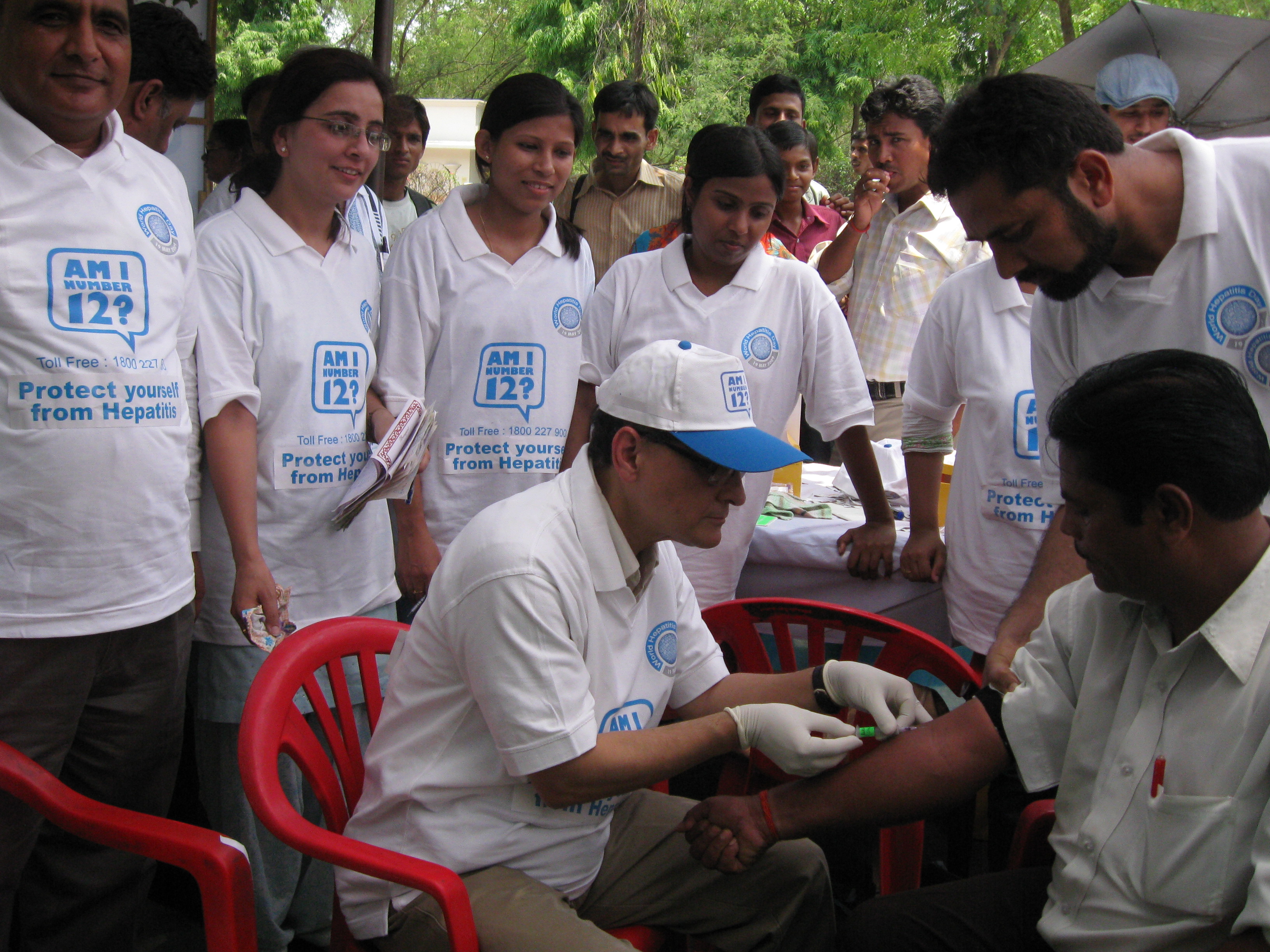
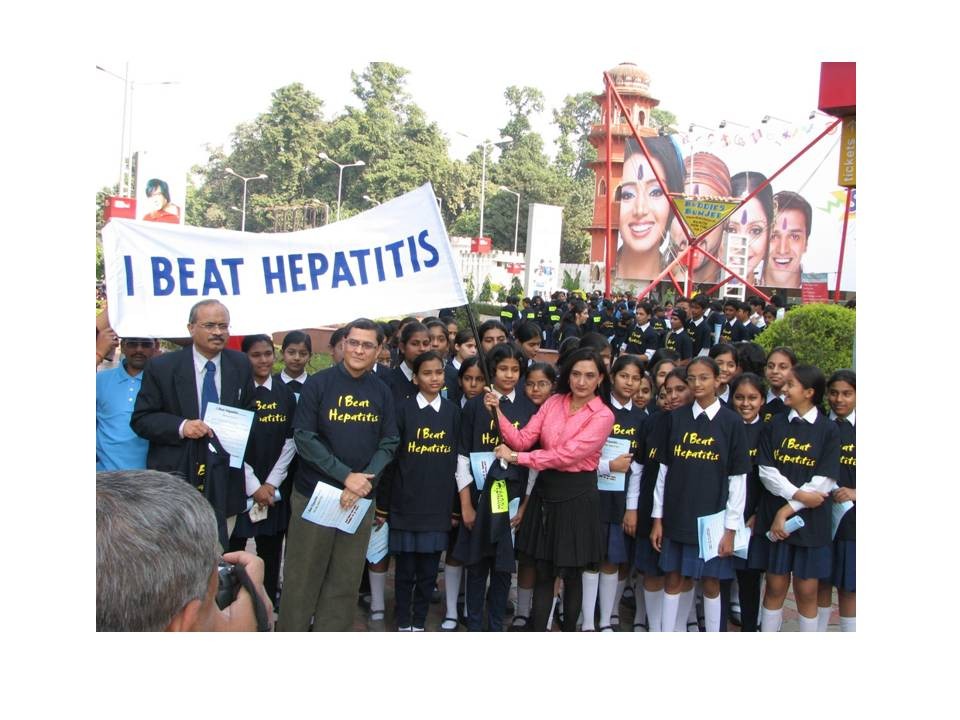
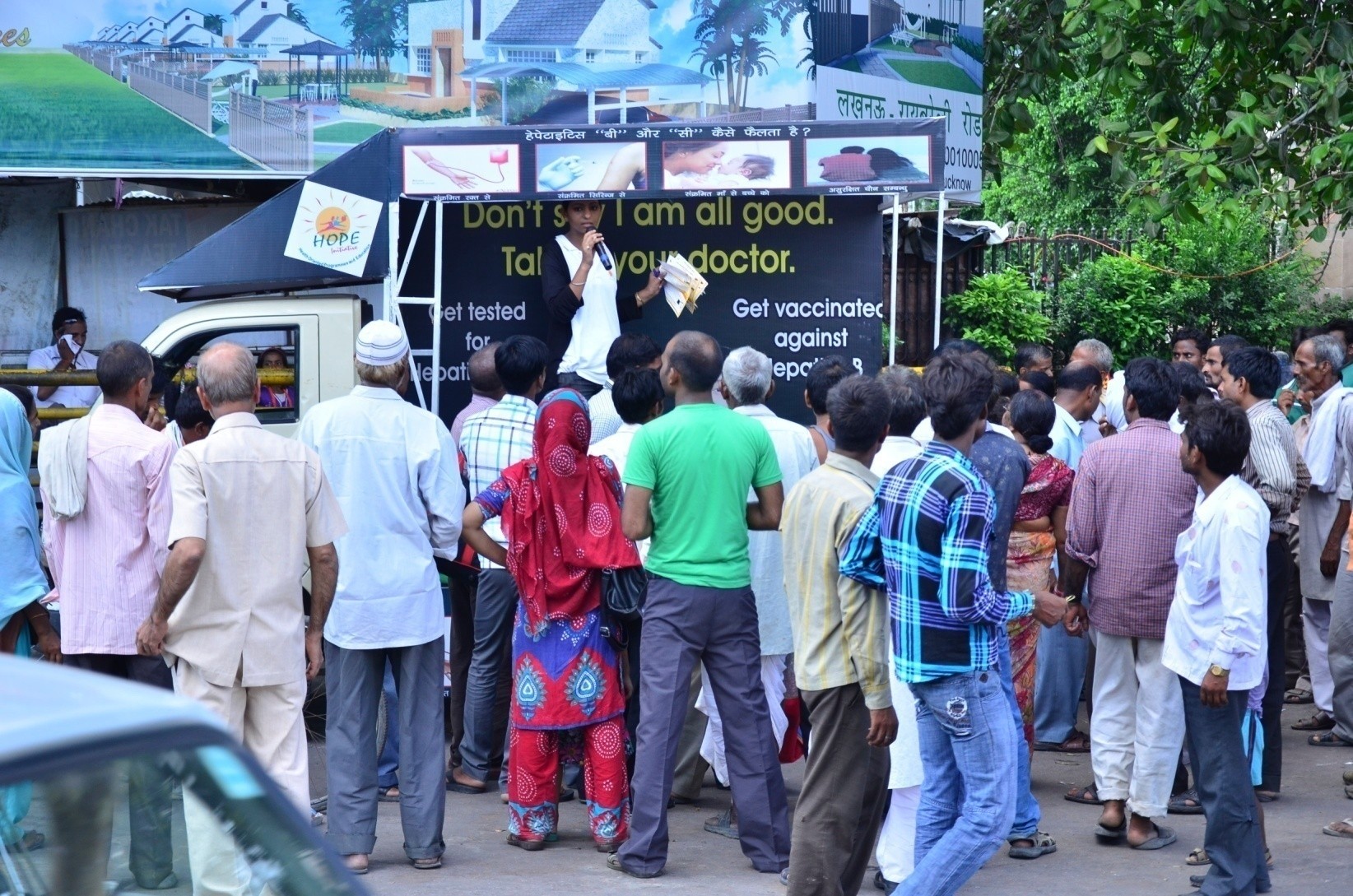
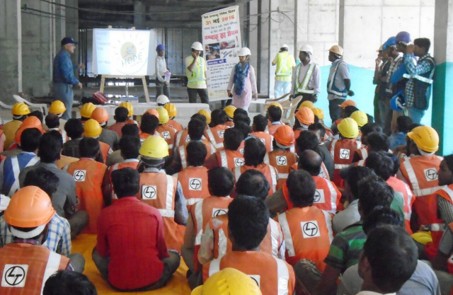
Hepatitis B & C: Targeted screening, vaccination camps, and long-term prevention campaigns (B-Rodh).
-
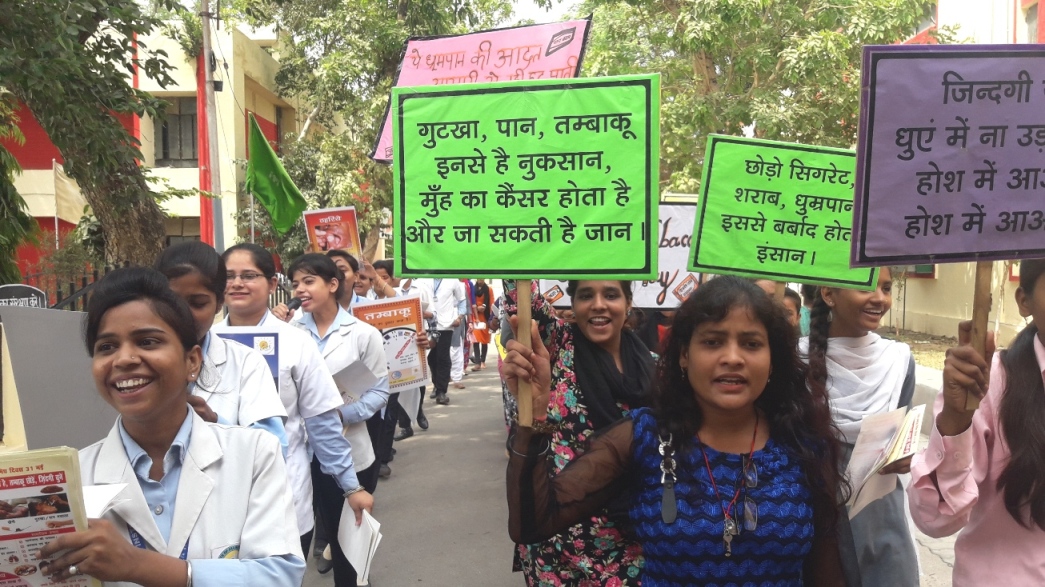
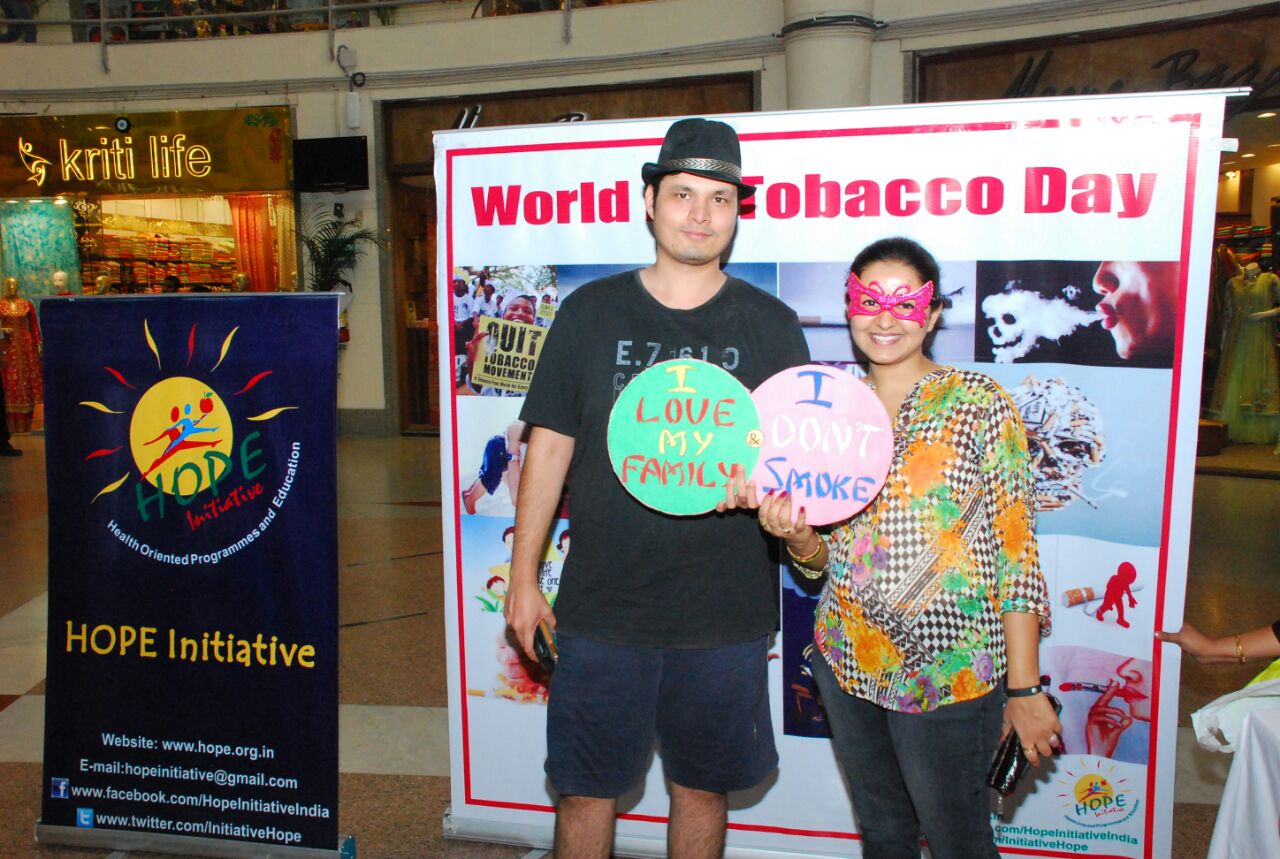
Tobacco Control (NTCP): Dynamic street plays (Nukkad Natak) and public pamphlet distribution to curb tobacco use.
-
Anti-Mosquito Initiatives: Raising awareness about mosquito breeding prevention, personal safety, and sanitization.
Nursing Capacity Building
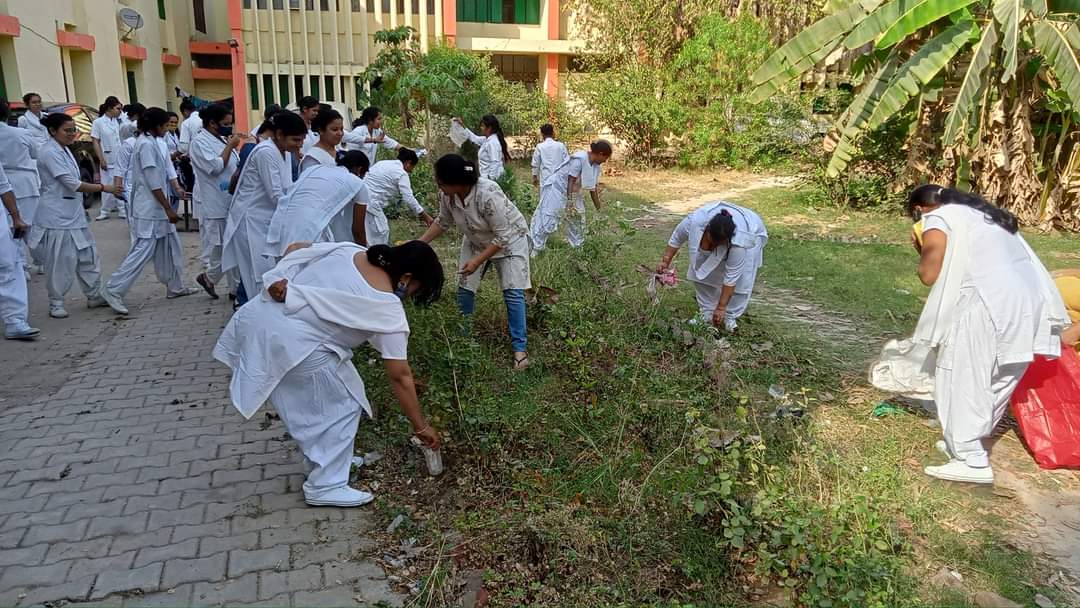
Strengthening frontline healthcare systems by training nursing college students in clinical and interpersonal skills:
-
Core Clinical Skills: Training in Basic Life Support (BLS), sanitation, and hygiene.
-
Patient Counselling: Developing professional soft skills for patient-relative counseling and stress management.
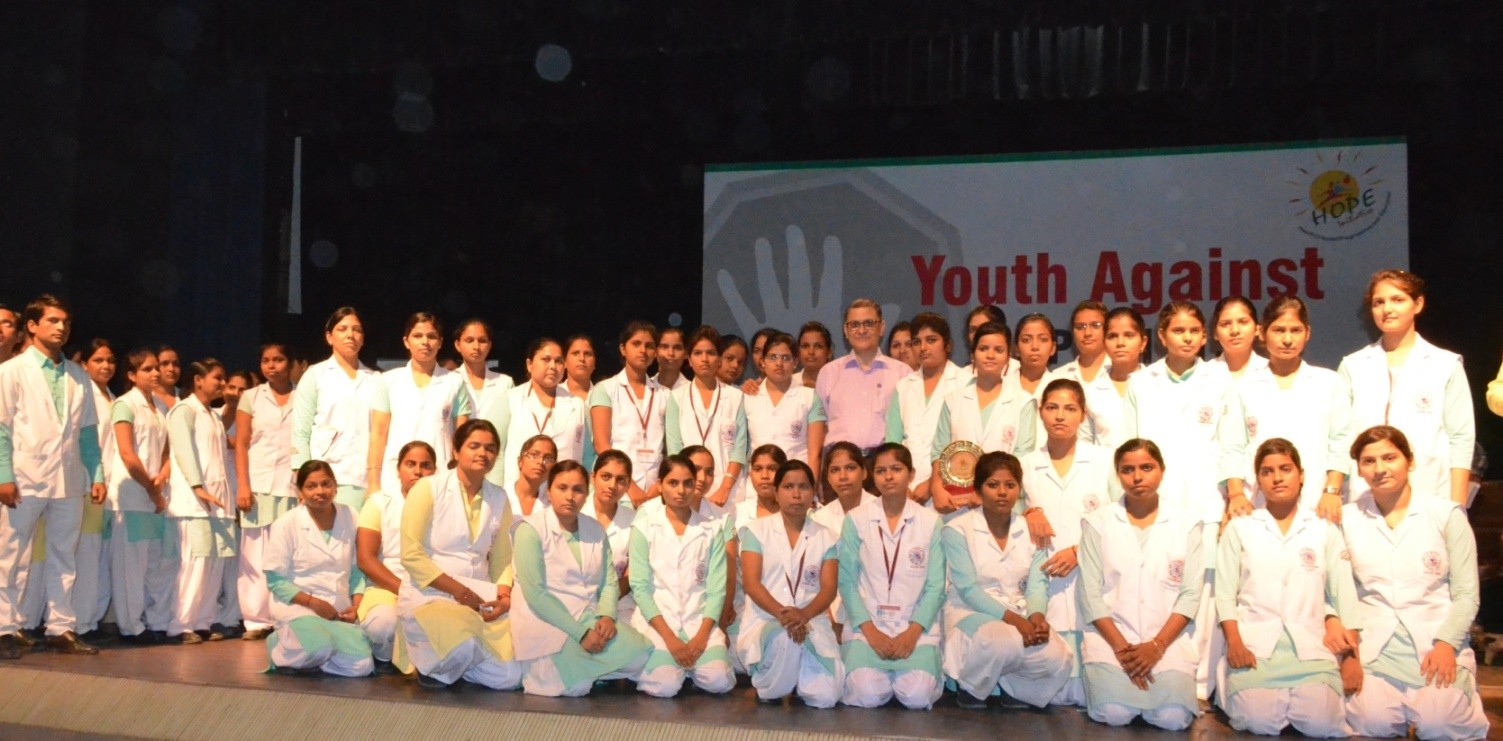
HEPATITIS AWARENESS PROGRAM
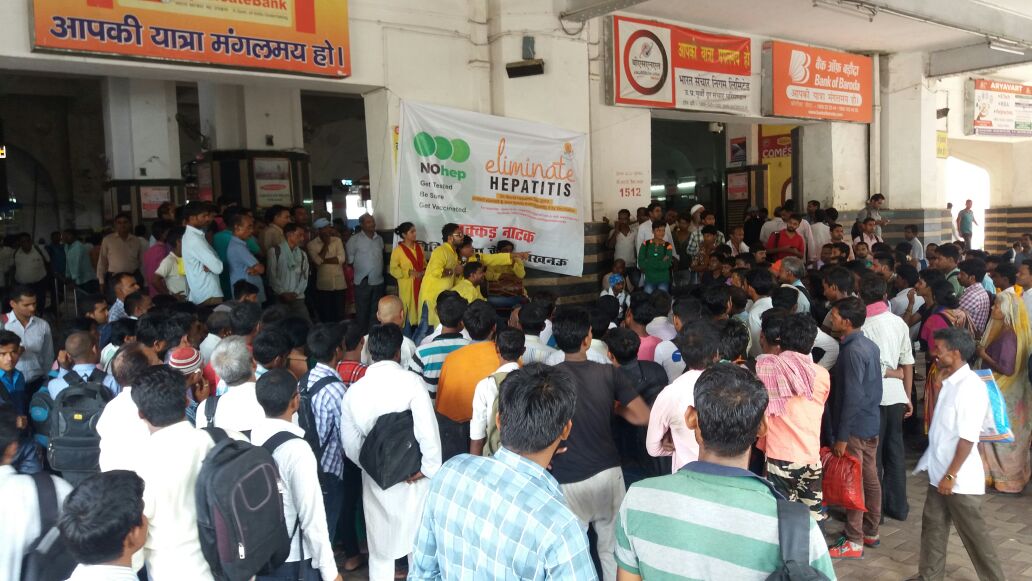
As part of this effort, HOPE collaborated with Vividh Sewa Kendra, Lucknow, to conduct a community-based Hepatitis awareness program. The objective was to educate the public about the causes, modes of transmission, prevention, and early care related to Hepatitis, using engaging and culturally relevant methods.
A key highlight of the program was a street play (nukkad natak) performed at some of the busiest locations in the city. In addition to the street play, informational pamphlets were distributed among the gathered crowd. These pamphlets reinforced key messages shared during the performance, including:
- 1. What Hepatitis is and why it is a serious public health concern
- 2. How Hepatitis spreads
- 3. The importance of hygiene, safe practices, and vaccination
- 4. When and where to seek medical help
Through this interactive and grassroots approach, the program successfully sensitized the community, encouraged dialogue, and promoted responsible health behaviors & inspire preventive action.
B-RODH
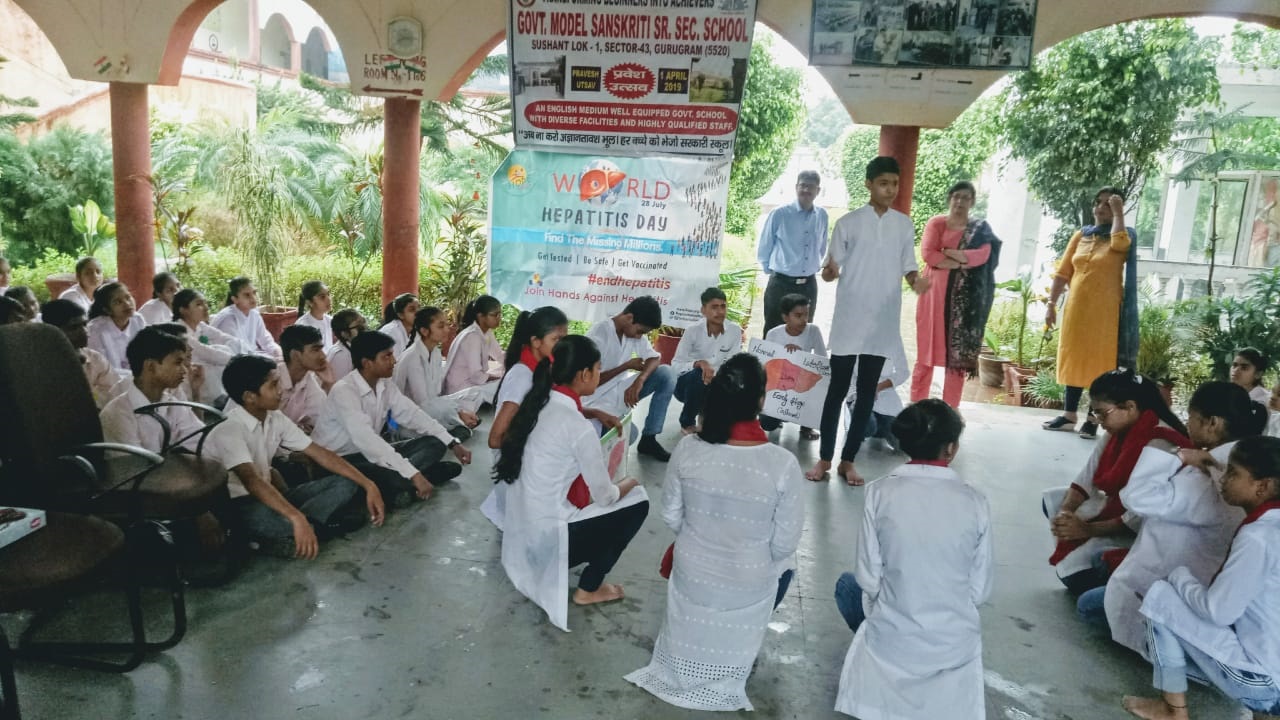
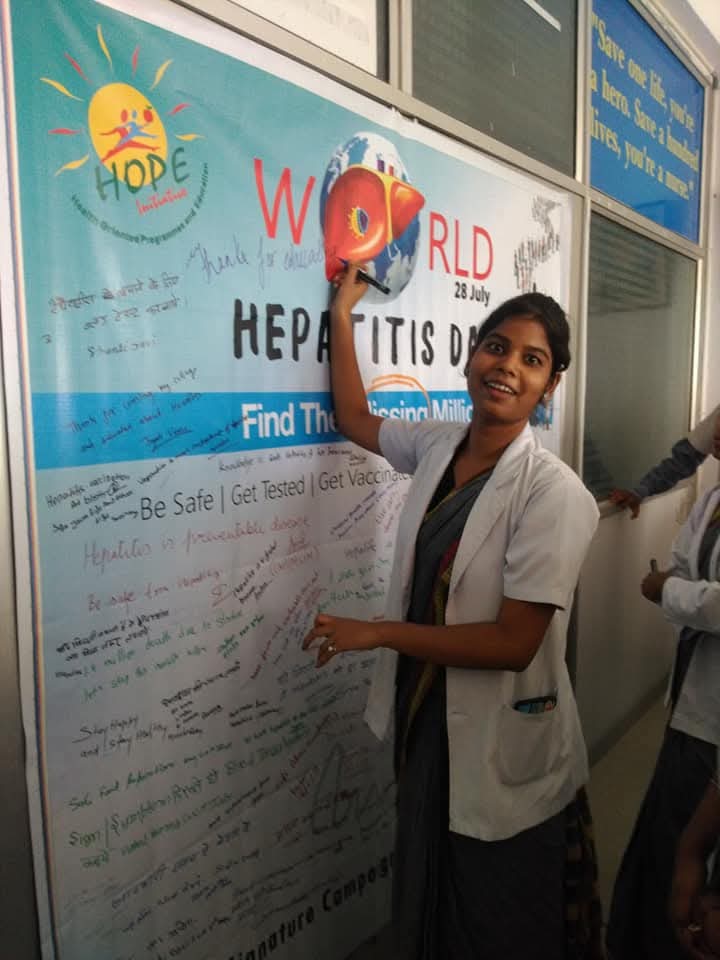
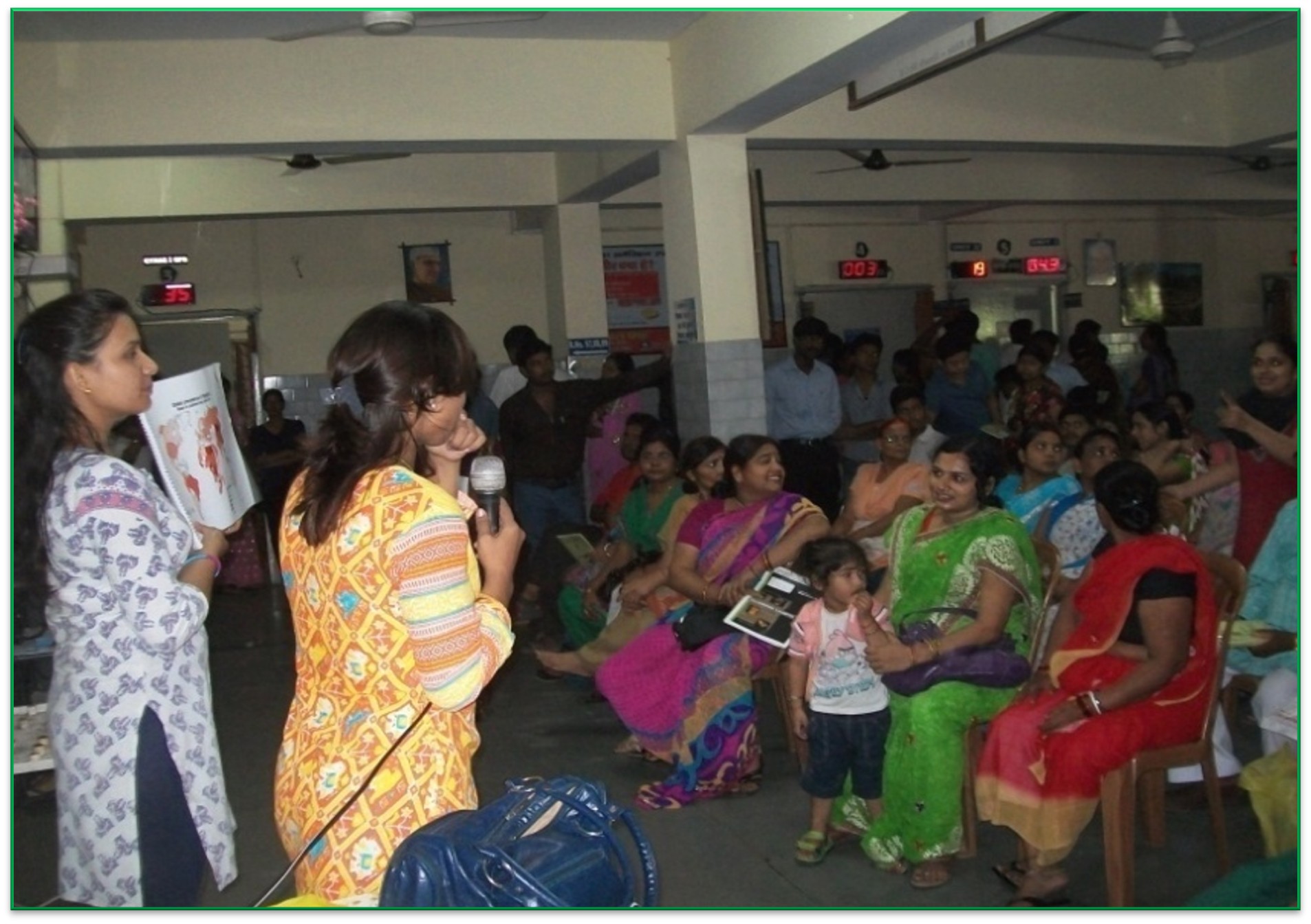
It was launched in 2008 with major funding support from BMS as a school-based health intervention across 10 districts of Uttar Pradesh. Targeting school-going children, the program aimed to spark health discussions that would flow from schools to families and into communities. Focusing on 10 core health topics—with strong emphasis on Hepatitis B along with sanitation, hygiene, knowledge, and healthy lifestyles—the intervention reached diverse categories of schools and gradually evolved into a highly participatory and impactful initiative.
The National Tobacco Control Program (NTCP)
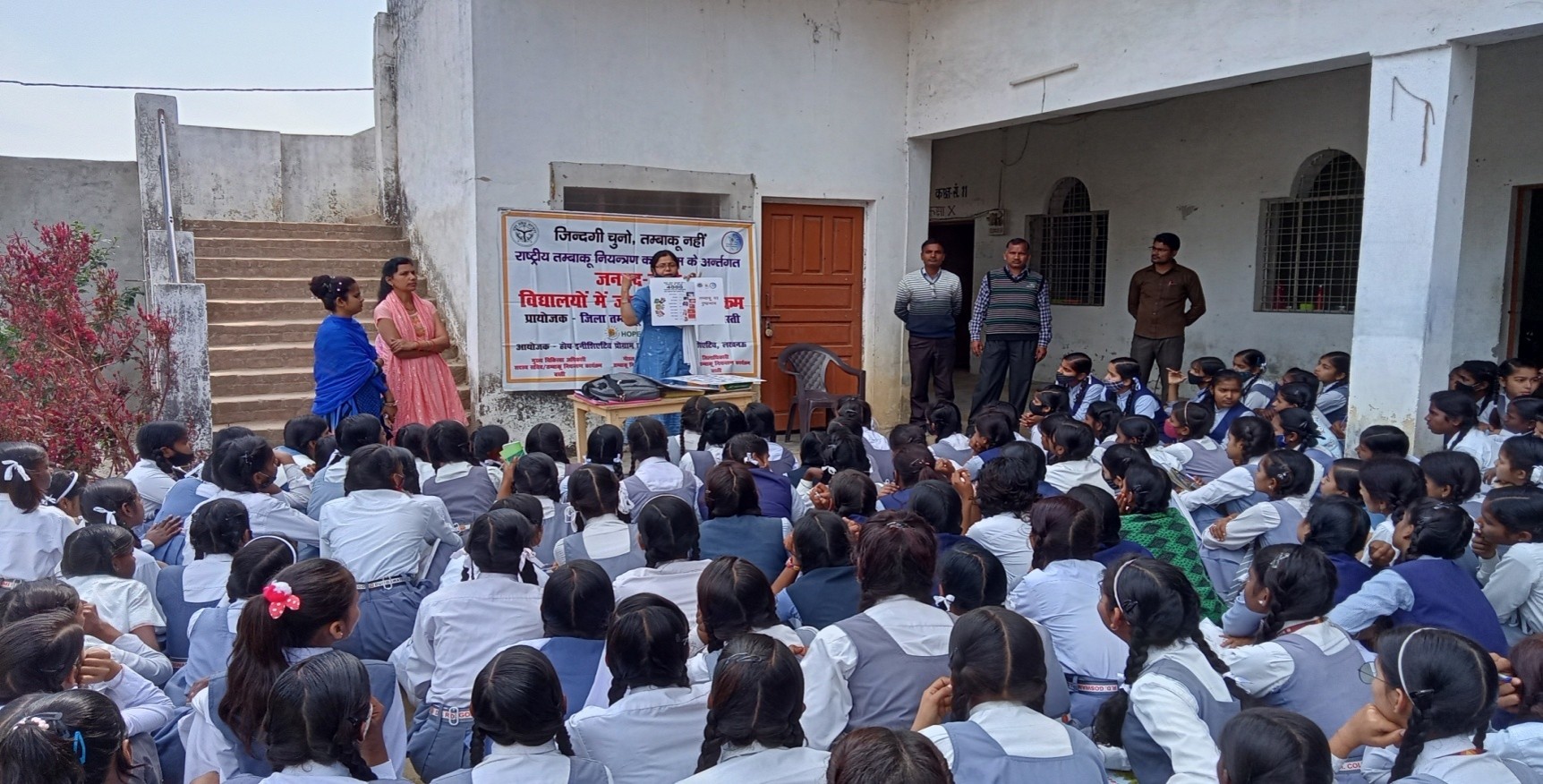
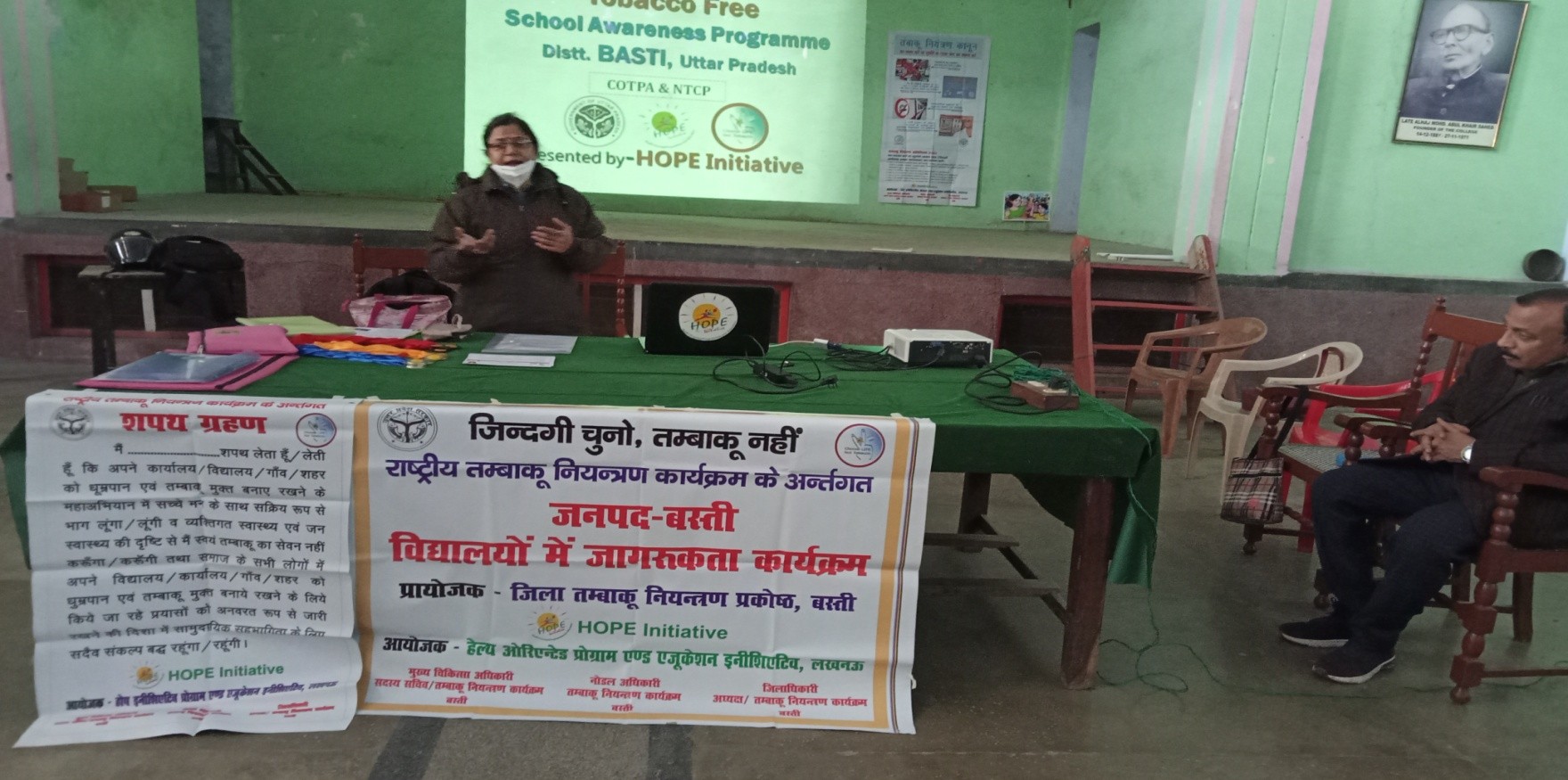
The National Tobacco Control Program (NTCP) was implemented during 2021–22 in Basti district, Uttar Pradesh, in collaboration with the State Tobacco Control Cell, Government of Uttar Pradesh. The initiative covered 70 schools and reached approximately 22,000 students, focusing on tobacco awareness and prevention.
Alongside schools, the program was extended into communities through Nukad Natak (street plays) and pamphlet distribution, ensuring wider public sensitization and community engagement against tobacco use.
Health Camps
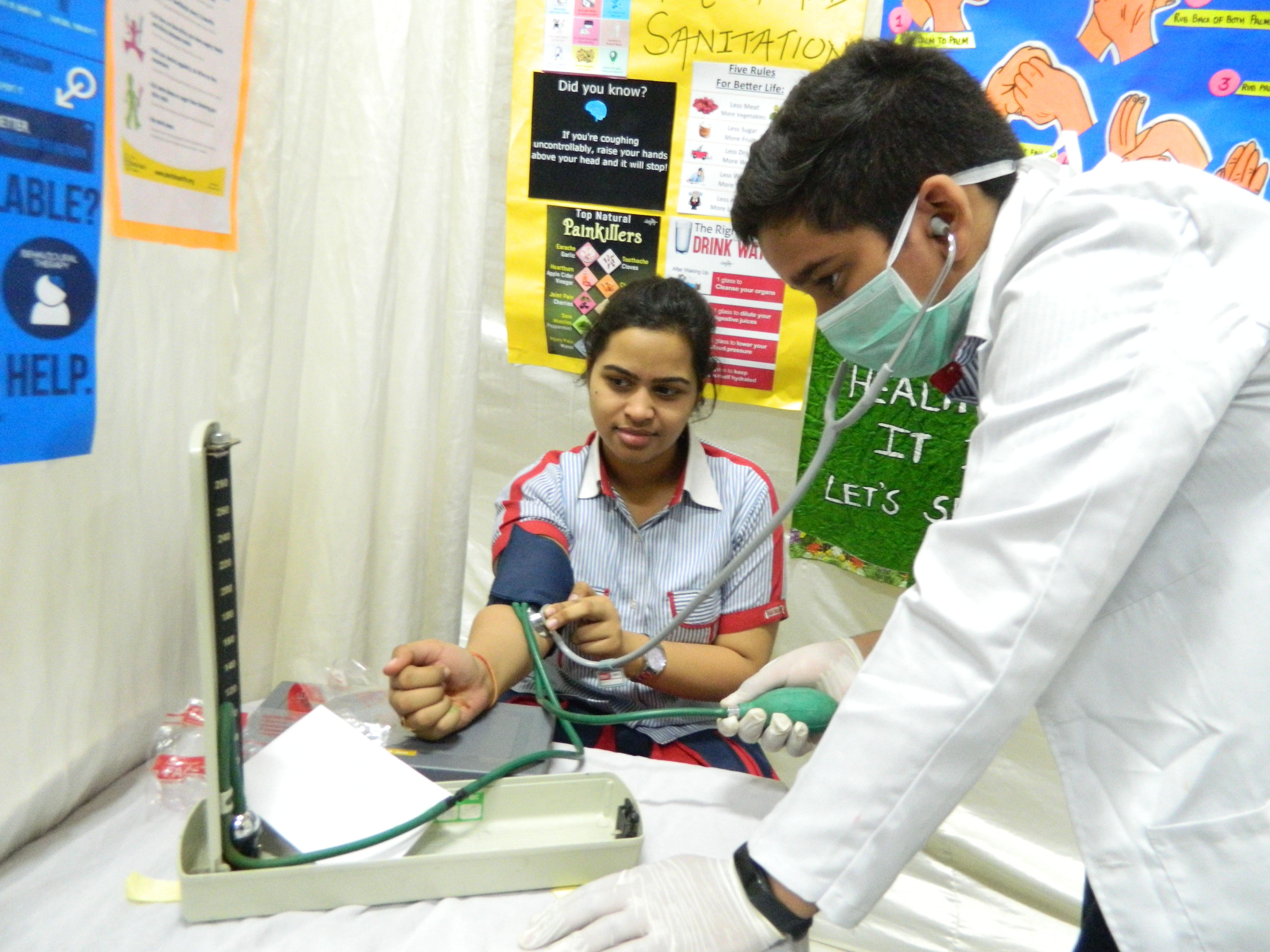
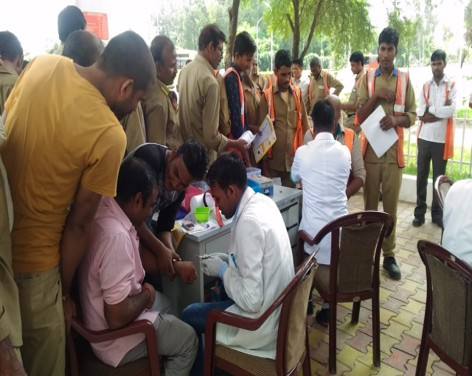
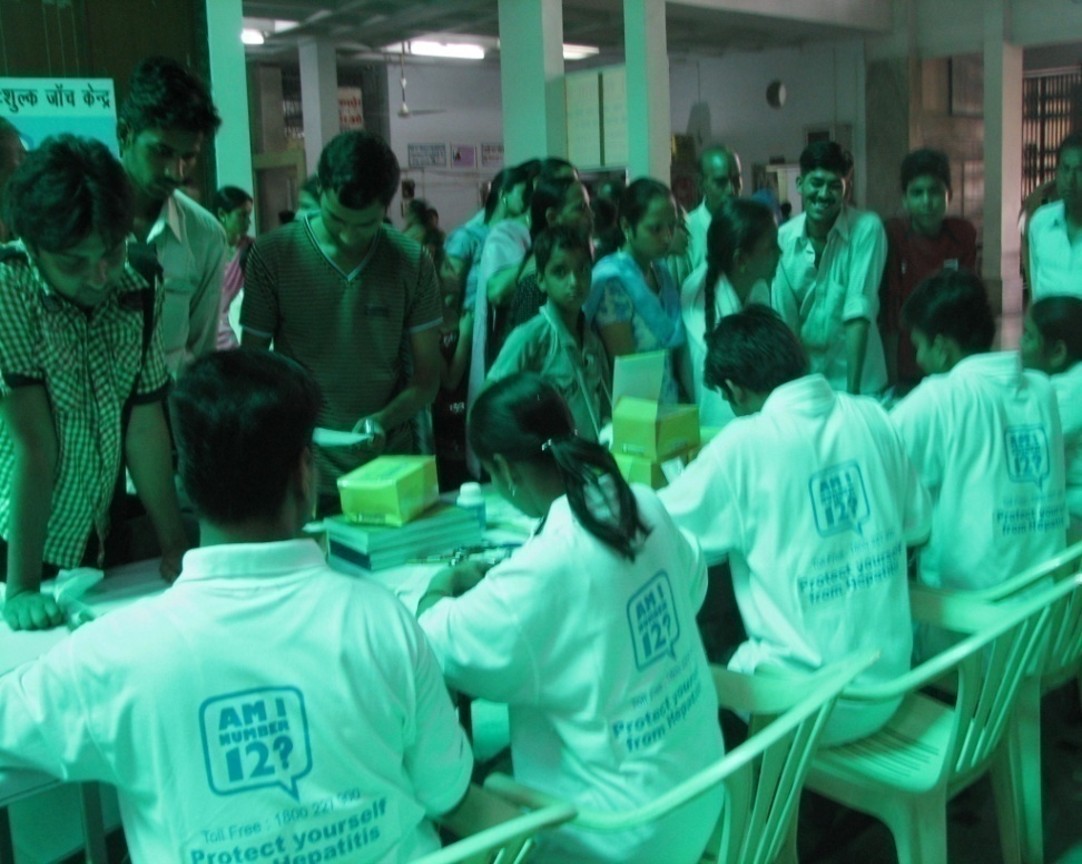
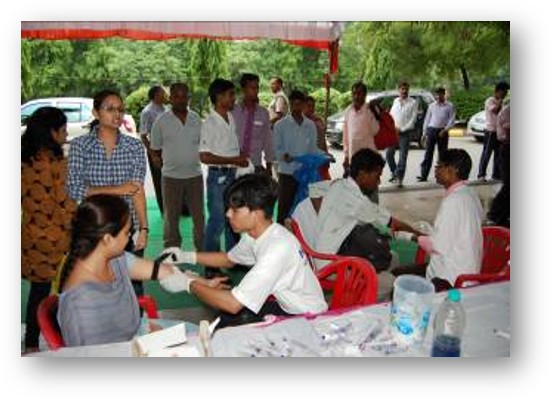
Regular health check-up camps are being conducted by HOPE Initiative in Lucknow and the Delhi NCR to promote preventive healthcare. These camps focus on early detection, basic health screenings, and increasing community awareness about maintaining overall health and well-being.
We also run sessions on
Moral Values · Healthy Holi & Safe Diwali · Home Emergencies & First Aid — and other topics tailored to each school and community.
Get Involved